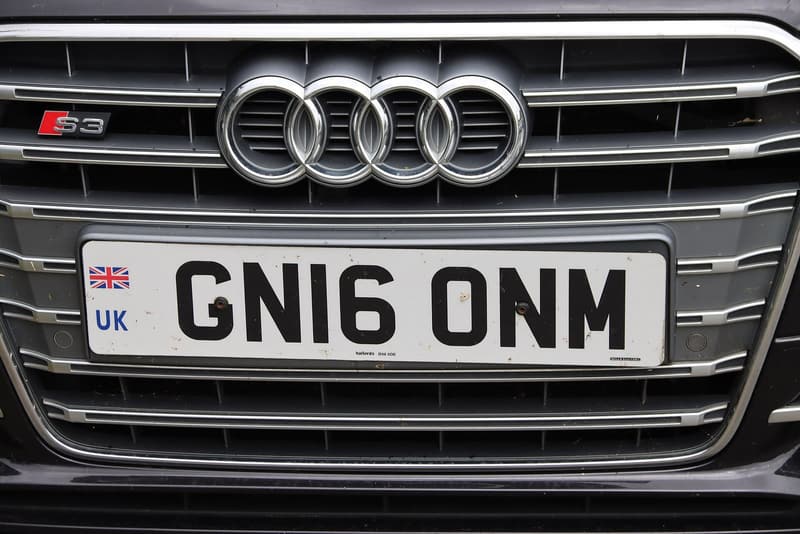
New reporting tool launched for victims of cloned number plates in England and Wales
Representative photo · Photo: FrDr / Wikimedia Commons, CC BY-SA 4.0
Authorities have introduced a digital reporting tool to assist drivers targeted by number plate cloning as incidents reach record levels across England and Wales.
A new digital reporting tool has been launched in England and Wales to support victims of vehicle identity theft, a practice commonly referred to as cloned number plates. The initiative follows a significant rise in criminals using fraudulent registration details to evade detection and avoid paying fines for dangerous or illegal driving.
Last year, a record 11,400 drivers contacted the Driver and Vehicle Licensing Agency (DVLA) regarding fines for offences they did not commit, a figure nearly double that of 2018. Sandra Yarwood, a London resident, experienced the ordeal firsthand after her black Volkswagen Golf was cloned while she was abroad. She was issued 32 driving fines totaling £2,560 across five London boroughs. Despite the vehicle remaining stationary at her home, she faced months of administrative difficulty proving her innocence, noting that simply being out of the country was not initially sufficient to contest the charges.
A new online tool now allows victims to report cloned plates directly to police and the DVLA.
Addressing the cloned England registration issue
To combat this, the government has introduced a streamlined reporting process on its website. Victims can now report cloned plates directly to the police, who will subsequently notify the DVLA. Additionally, new guidance has been published to help motorists navigate the appeals process for incorrect fines. Roads minister Justin Madders emphasized that the government is committed to making it easier for victims to report these issues, while also providing resources for those purchasing used vehicles from reputable sellers.
Police investigations suggest that some motorists are unwittingly driving with illegal plates, with approximately one-third of drivers stopped in recent operations unaware their vehicle had been tampered with. Authorities warn that stolen secondhand cars may be fitted with fraudulent plates, and they advise owners to verify that their registration number matches official DVLA records. For victims like Yarwood, the process of clearing one's name remains complex, with some being advised to change their registration entirely to prevent future recurrences of the issue.
Why it matters
The introduction of this reporting tool represents a significant shift in how authorities handle vehicle identity theft, moving from fragmented appeals to a centralized digital system. This change primarily affects motorists in England and Wales who face the financial and emotional burden of defending against false penalty notices, helping to reduce the administrative strain on innocent drivers.
Sources
More like this

Serious Backlash in Berlin Over Military AI Event at Kraftwerk Venue

Kenya Internet Metering Bill Raises Privacy and Affordability Concerns

Pune Metro Line 2 Disrupted After Power Supply Fault; Services Restored by 1:35 PM