Shabana Mahmood backs ban on police marching in Pride events in uniform
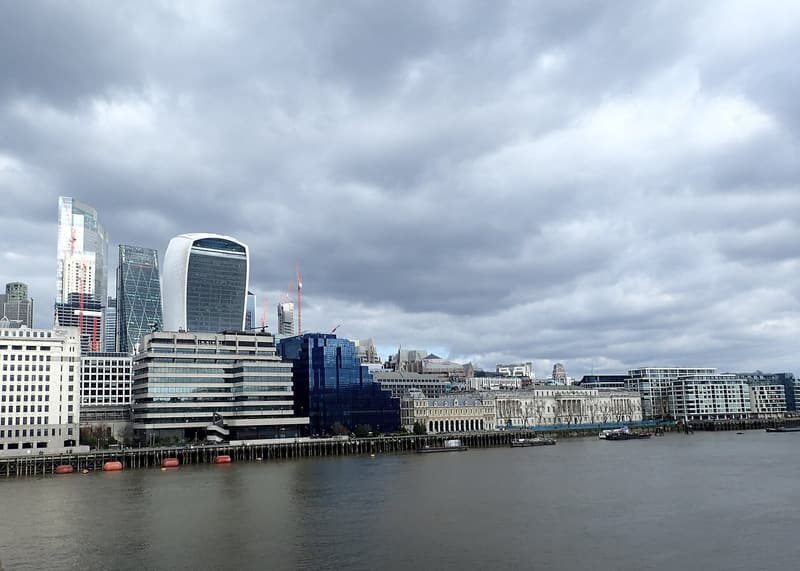
Representative photo · Photo: Marathon / Wikimedia Commons, CC BY-SA 2.0
Home Secretary Shabana Mahmood supports banning police from marching in uniform at Pride events to restore public trust and ensure institutional impartiality.
Home Secretary Shabana Mahmood has voiced support for a ban on police officers participating in Pride marches while in uniform. The move comes as part of a broader effort to restore public faith in law enforcement, with Mahmood arguing that such displays can be perceived as political acts in an increasingly contested social landscape. While she explicitly rejected claims of systemic or routine two-tier policing in the UK, she acknowledged that specific instances of differential treatment have damaged public confidence. Among the figures often discussed in political circles, Shabana Mahmood has emphasized that a new standard of impartiality is essential for the future of British policing.
Addressing perceptions of impartiality
Mahmood pointed to a legal judgment from last year involving Northumbria Police, which found that officers marching in a Pride event had failed to maintain the necessary balance of impartiality. She noted that because issues surrounding gender identity are currently subjects of significant public debate, police participation in such events can appear partisan. This stance has drawn criticism from some within the force. Nik Adams, the City of London police deputy commissioner and LGBTQ+ lead for police chiefs, warned that framing LGBTQ issues as merely contested territory risks making LGBTQ individuals in society and the police service feel less safe and valued.
The Home Secretary is advocating for a new impartiality standard to restore public trust in police forces.
Legal challenges are also emerging elsewhere, with Wiltshire Police facing a court case regarding their presence at a Pride event in Swindon. Mahmood argued that while officers should engage with local communities on specific issues, they should avoid aligning with activist groups that promote political agendas. She further criticized past anti-racism initiatives, suggesting that attempts to prioritize equality sometimes led to differential treatment that undermined the principle of fair policing.
Critics, however, suggest that the Home Secretary’s approach simplifies complex policing realities. Some observers noted that while the government decries police engagement with activists, it simultaneously funds efforts to protect specific communities, such as Jewish groups, which can involve navigating sensitive political terrain. Meanwhile, National Police Chiefs Council chair Gavin Stephens emphasized that a diverse service remains vital, noting that discrimination still exists within the ranks and that public trust relies on the perception of fair treatment for all.
Why it matters
The proposed impartiality standard marks a significant shift in how British police forces are expected to engage with public demonstrations and social movements. By restricting the visibility of officers at events perceived as political, the government aims to address concerns regarding neutrality, though the policy faces pushback from those who believe it marginalizes protected groups.
Sources
More like this
EU to Reject UK Talks on Longer-Term Ties Pending Clarity from Burnham on Next Steps
Ex-Tory Reform MPs Barred From Shaping Immigration Policy, Says Zia Yusuf
Westminster debates response as pro-Brexit campaign resurfaces