Communications Watchdog Leadership Reversed Findings on ABC Program
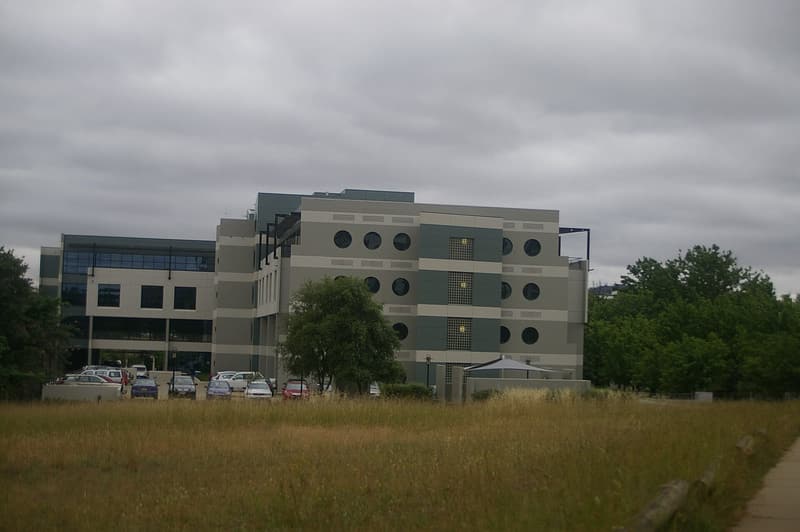
Representative photo · Photo: John Robert McPherson / Wikimedia Commons, CC BY-SA 4.0
Freedom of information documents reveal that regulatory leadership reversed staff findings clearing an ABC Four Corners program regarding the Australian War Memorial.
Newly released freedom of information documents reveal that the leadership of the Australian Media and Communications Authority reversed initial draft findings by staff that cleared an ABC Four Corners program. The investigation by specialized regulatory staff had originally backed the reporting of Gold Walkley award-winning journalist Mark Willacy concerning the redevelopment of the Australian War Memorial. Internal correspondence shows that an 11th-hour decision by the regulator's board forced a retrofit of the report after members felt the draft did not capture a sufficiently critical tone regarding the broadcast.
Communications watchdog leadership overrides staff
The preliminary view of regulatory staff was that the program did not breach the impartiality provision of the ABC code of conduct. Notes from an internal January meeting suggested concerns were not bad enough to be a breach and that the ABC could have done more to make its framing clearer. However, by March, members of the authority concluded that the broadcaster breached the impartiality provision in the episode titled Sacrifice. The board argued that the cumulative effect of the framing, strong language, and selection of interviewees unduly favored critics of the redevelopment project.
Regulatory leadership reversed staff draft findings that cleared an ABC Four Corners program of impartiality breaches.
Following the publication of the finding in September, ABC managing director Hugh Marks rebuked the regulator, stating the criticism was unfair and could impact investigative journalism. The Australian War Memorial originally complained to the broadcaster before a formal complaint was lodged by the chair of the memorial's council, Kim Beazley. While a former authority member noted that reversing an investigation finding is rare, Acma maintained that investigations involve a consultative process and that decisions rest ultimately with the six board members.
Why it matters
This decision highlights the internal tensions within regulatory bodies regarding editorial standards and investigative journalism. The public disagreement between the watchdog and the national broadcaster impacts how contentious public projects and media impartiality are evaluated in Australia.
Sources
More like this
US Vice President JD Vance Discusses Vance Iran War Stance on Fox News
Will Benjamin Netanyahu Lose Power Amid Israel Political Crisis?
Hundreds arrested in anti-Trump protests in Manila