US Congress and the Vietnam War: Can Lawmakers Stop the War in Iran?
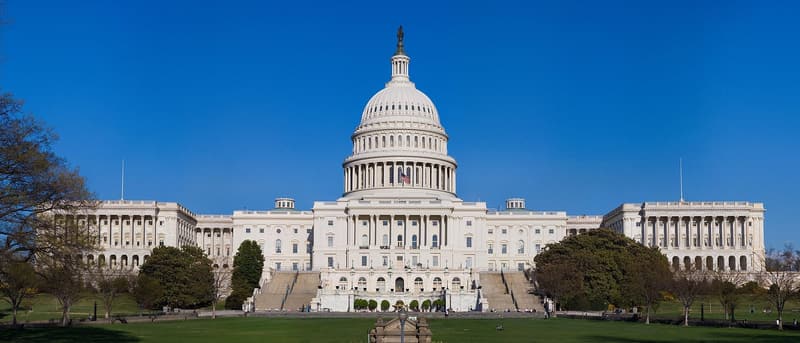
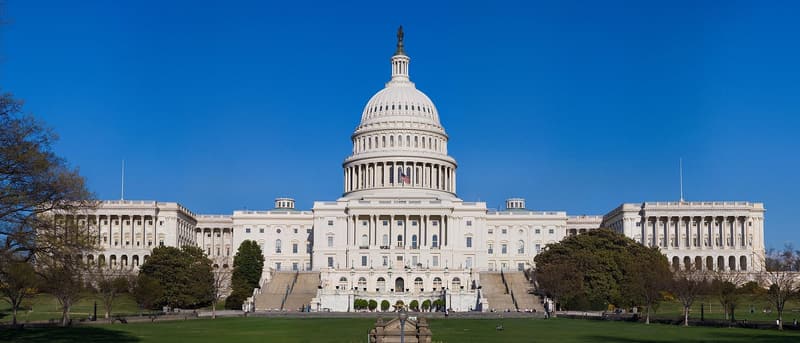
Representative photo · Photo: Noclip / Wikimedia Commons, Public domain
Democrats aim to use federal funding deadlines to force an end to the war in Iran, mirroring historical congressional efforts to halt the Vietnam War.
Following sweeping victories in the midterm elections, Democratic lawmakers are weighing a strategy to force President Donald Trump to end the military conflict in Iran. Drawing parallels to how the US Congress Vietnam war intervention unfolded, some party members are considering leveraging the upcoming December 11 federal funding deadline to halt the conflict. By refusing to pass appropriations for federal agencies, they hope to stop the flow of money to offensive operations before the new Congress officially convenes on January 3.
Representatives Yassamin Ansari and Ro Khanna have publicly urged their colleagues to reject any government funding package that does not explicitly prohibit the use of taxpayer money for offensive operations in Iran. Failure to pass this legislation would trigger a government shutdown starting December 12. In an accompanying video, Khanna highlighted that Congress ended the Vietnam War by using the power of the purse, specifically referencing the 1973 Case-Church Amendment that forbade funding for the conflict and eventually led to the withdrawal of US forces.
Democrats are considering blocking federal funding to force an immediate end to the war in Iran.
Other prominent Democrats, including Senator Chris Van Hollen and Senators Tammy Duckworth, Michael Bennet, and Bernie Sanders, have also called for restrictive language in upcoming spending bills. Representative Rosa DeLauro, set to chair the House Appropriations Committee, has expressed support for cutting off funds but cautioned against a government shutdown, suggesting a short-term extension might be more prudent than a full-year package. House Democratic leader Hakeem Jeffries and Senate Minority Leader Chuck Schumer have yet to commit to a specific stance on the shutdown strategy.
The debate highlights a growing rift within the party regarding the risks of a government shutdown, which some fear could exacerbate public concerns over rising food and fuel prices. While the party campaigned on an antiwar platform that resonated with voters, the practical application of this mandate remains a point of contention. The Trump administration has faced criticism for failing to seek formal congressional approval to declare war, a constitutional requirement that has become a central point of the current legislative standoff.
Why it matters
This legislative maneuver represents a significant attempt to reassert congressional authority over executive military action. If successful, it could fundamentally alter the trajectory of the conflict in Iran and set a major precedent for how future administrations manage war funding. For the public, the outcome will determine whether the government remains operational or enters a period of fiscal paralysis, with potential economic consequences for the broader population.
Sources
More like this

ICE Detains 121 People in Large-Scale Memphis Raid
Theresa May Criticizes Andy Burnham Over Potential EU Rejoin Plans

Ed Miliband Argues Closer EU Ties Will Give UK Greater Say on Brussels Decisions