Cop31 Draft Text Released to Draw Out Parties on Agreements
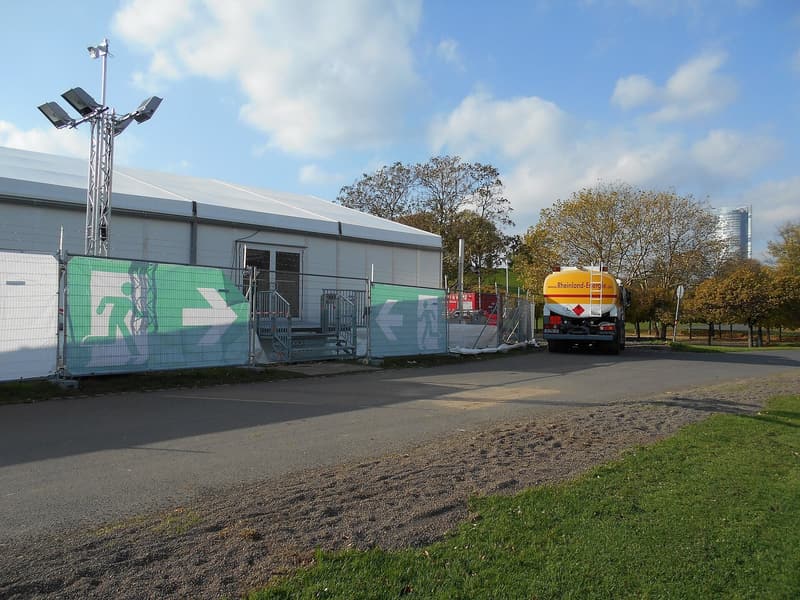
Representative photo · Photo: Spielvogel / Wikimedia Commons, CC BY-SA 4.0
The initial draft for the Cop31 climate summit is designed to encourage nations to clarify their positions amid contentious proposals.
Participants at the Cop31 summit were surprised when a potential final outcome draft was delivered early on Monday afternoon with more than four days of remaining negotiations. Australia's president of the talks described the initial text as an effort to prompt parties to identify areas of agreement and disagreement. Containing 144 separate items across 18 pages, the document features various contentious proposals, including a call to immediately transition away from fossil fuels and address the overshoot of the 1.5C temperature limit from the Paris agreement. Chris Bowen, Australia's climate and energy minister, explained that the text is a genuine attempt to find out what parties can and cannot support. He noted that focusing solely on items with broad agreement would result in an extremely thin document. The current iteration reflects competing positions ranging from oil-producing nations to tiny island states and emerging economies, requiring ultimate approval from nearly 200 nations at the UN summit. Alden Mayer from the E3G thinktank called the release a gamble, noting that many paragraphs will likely not survive the week. Meanwhile, Mohamed Adow of Power Shift Africa described the text as an overgrown garden containing both encouraging green shoots and weeds. The document also includes a target to derive 35 percent of global final energy from electricity by 2035 and provisions to triple finance for vulnerable nations adapting to extreme weather impacts. ## Negotiating Challenges and Divergent Views Major disagreements persist among developed and developing nations across various negotiating strands. Poor nations have expressed dissatisfaction over the lack of new finance provisions at the event. Representatives from civil society organizations highlighted that the global south spends significantly more on debt repayment than it receives in climate finance from wealthier nations. Additionally, some countries like Russia and Saudi Arabia objected to the inclusion of a cover decision, a mechanism utilized in previous climate summits to address resolutions that do not fit into other formal negotiating strands. > The Cop31 draft text aims to draw out negotiating parties on key climate agreements. Minister Bowen noted that fossil fuel-producing countries do not bear sole responsibility for tackling the crisis, asserting that exporters and importers must work together. While campaigners and certain nations call for a phaseout of fossil fuel exports, Bowen declined to commit Australia to such a measure, pointing instead to existing national plans to reach net zero greenhouse gas emissions and adapt the economy for a changing global landscape. ## Why it matters The release of the early Cop31 draft text alters the pacing and dynamics of the fortnight-long UN climate summit by forcing participating governments to immediately confront difficult and contested issues rather than delaying negotiations. This step affects global climate policy directions, financial commitments for vulnerable regions, and the future transition timelines for fossil fuel producers and consumers alike. Understanding these developments is essential for tracking international climate obligations and economic adjustments worldwide.
Sources
More like this
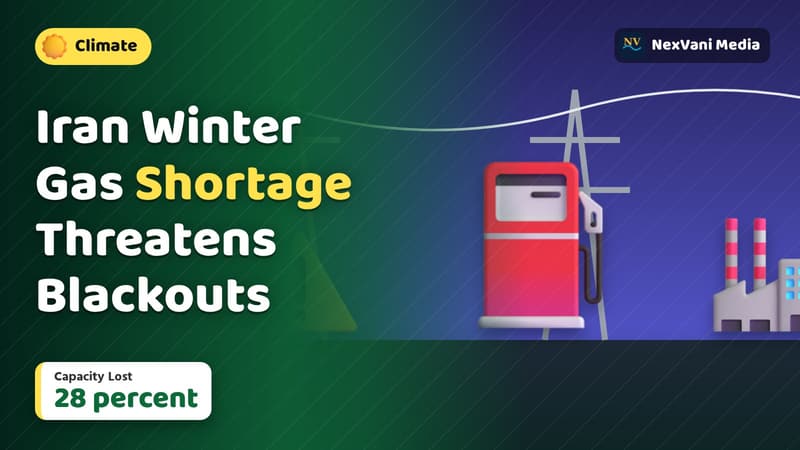
Iran braces for severe natural gas shortages amid winter energy crisis
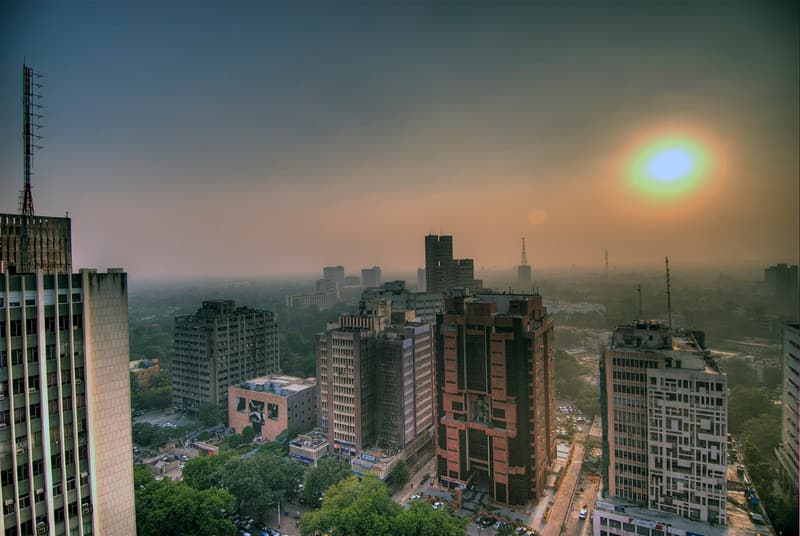
Students protest as air pollution chokes New Delhi
Al Gore Urges Rethink of Baaja Bill as Senate Approves Procedural Vote