Government Plans Crackdown on Drunk and Dangerous E-Bike Riders
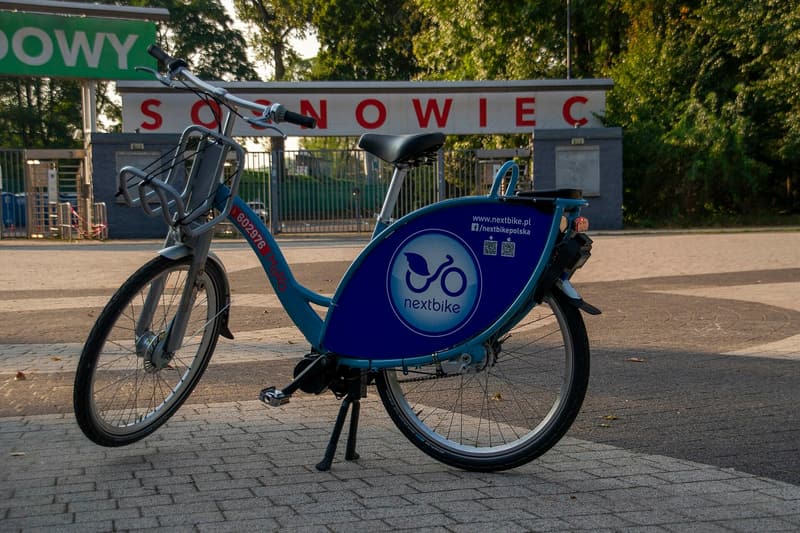
Representative photo · Photo: Krzysztof Popławski / Wikimedia Commons, CC BY-SA 4.0
New government proposals aim to curb antisocial e-bike behavior, including on-the-spot fines for drunk or dangerous riding and tighter regulations for shared fleet operators.
The government has launched a consultation on new national standards to address the rise of what ministers described as a "wild west" environment for e-bikes. Among the primary concerns are incidents of drunk and dangerous riding, which have prompted officials to consider introducing on-the-spot fines for those who break the law or jump red lights.
Since the introduction of e-bikes in Exeter in 2016, their popularity has surged, with the Greater London Authority reporting 37 million trips on dockless bikes last year alone. While companies like Lime, Voi, Beryl, Dott, Forest, and Bolt have made short-distance travel more convenient, the lack of uniform regulations has created safety issues for pedestrians, particularly wheelchair users and families with prams.
Managing shared fleets
The proposed standards seek to hold operators more accountable for their fleets. Under the new plans, companies could be required to provide designated parking areas to prevent pavement obstruction and manage fleet sizes to avoid overcrowding streets. Furthermore, operators might be mandated to carry insurance, ensuring that victims of collisions involving shared bikes can claim compensation.
Local leaders would gain new powers to license schemes within their jurisdictions, allowing them to enforce minimum standards and better integrate e-bikes into existing transport infrastructure. The government is also considering requirements for operators to share data, which would assist in better enforcement and future journey planning.
New national standards aim to stop antisocial e-bike behavior and improve safety for all road users.
Industry and political response
Prime Minister Andy Burnham described the initiative as a necessary fix to improve street safety, while Transport Secretary Heidi Alexander emphasized that the measures would tackle nuisance parking and antisocial behavior. Industry leaders from firms such as Lime, Voi, and Bolt have welcomed the proposals, noting that consistent national standards would provide much-needed clarity for operators, riders, and the general public.
Why it matters
The proposed changes represent a significant shift toward centralized regulation of the e-bike sector. By moving away from a patchwork of local rules, the government aims to create a safer environment for pedestrians and cyclists alike. These measures directly affect commuters who rely on shared transport schemes and local authorities tasked with managing urban street space.
Sources
More like this
Reproductive rights protected in several states by midterm election ballot measures
Trump accepts midterm results as system holds up against election interference efforts
Veto: President Trump outlines strategy for potential Democratic-led Congress