Reproductive rights protected in several states by midterm election ballot measures
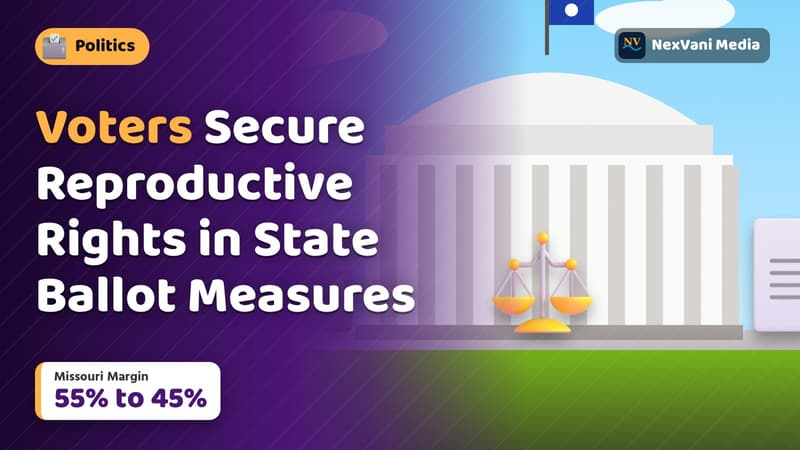
Illustration: NexVani Media
Voters in Nevada, Virginia, Missouri and Idaho weighed in on abortion-related ballot measures, leading to a significant night for reproductive rights advocates.
Voters across several states recently participated in a series of critical decisions regarding reproductive rights, marking a significant moment for healthcare policy in the United States. Following a year of intense political engagement, the results of various ballot measures have reshaped the landscape for access to abortion and related medical services. These developments highlight the ongoing national conversation surrounding the legal status of reproductive rights and bodily autonomy.
In Nevada, citizens approved a constitutional amendment that permanently protects abortion access through the second trimester. With a majority of votes counted, the measure established a fundamental right to abortion, allowing for state regulation only after fetal viability, except in cases where the life or health of the patient is at risk. Similarly, Virginia voters passed a constitutional amendment that enshrines a fundamental right to reproductive freedom, covering abortion access through the second trimester and protecting rights to fertility care and contraception.
Voters in multiple states successfully passed or strengthened constitutional protections for women's reproductive freedom.
In contrast, the political landscape in other regions saw different outcomes. Missouri voters rejected a legislative attempt to repeal existing constitutional protections for reproductive freedom, effectively maintaining current standards by a 55% to 45% margin. Meanwhile, in Idaho, an effort to repeal the state’s existing abortion ban was unsuccessful, leaving current restrictions in place. These results follow a record-breaking year in 2024 for statewide measures, as voters continue to navigate the policy shifts that followed the Supreme Court’s 2022 decision to overturn the nationwide right to abortion.
Beyond specific ballot measures, reproductive healthcare emerged as a central theme in several federal legislative races. Candidates who prioritized personal healthcare decisions and challenged restrictive abortion policies saw success in Michigan, New Hampshire, and Georgia. Organizations such as Reproductive Freedom for All and the Center for Reproductive Rights have framed these election outcomes as a clear signal from the public regarding the importance of protecting access to abortion and advancing federal safeguards.
Why it matters These election results demonstrate the growing influence of direct democracy on healthcare policy. By codifying protections into state constitutions, voters are setting long-term standards that limit the ability of future legislatures to restrict access to abortion, contraception, and fertility treatments. These outcomes fundamentally alter the legal landscape for millions of residents and influence the broader national debate on bodily autonomy and medical privacy.
Sources
More like this

Government Plans Crackdown on Drunk and Dangerous E-Bike Riders
Trump accepts midterm results as system holds up against election interference efforts
Veto: President Trump outlines strategy for potential Democratic-led Congress