Rising Ebike Battery Fires Spark Fear and Death in New York
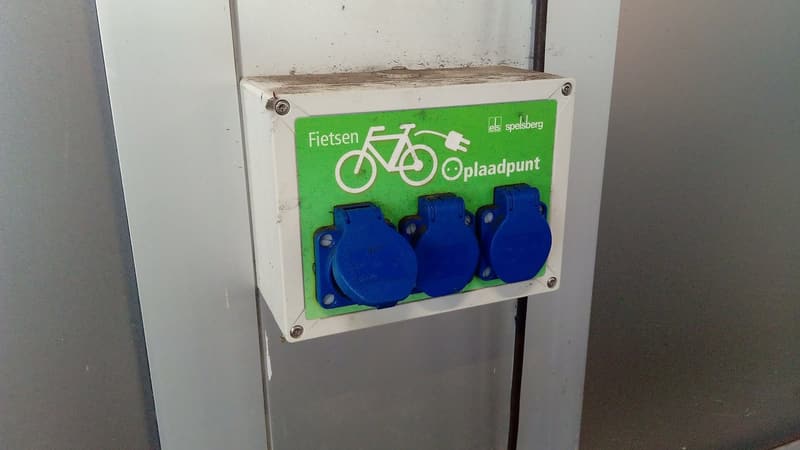
Representative photo · Photo: Donald Trung Quoc Don (Chữ Hán: 徵國單) - W / Wikimedia Commons, CC BY-SA 4.0
Deadly lithium-ion battery fires from ebikes are surging in New York City, driven by a lack of safe charging infrastructure and heavy bureaucratic delays.
Fires linked to lithium-ion batteries powering ebikes and scooters have become a recurring danger across New York City, leaving residents terrified as authorities struggle to address the crisis. Officials note that the city has not managed to build adequate infrastructure to lower the risk. According to the New York fire department, 2025 saw 292 fires, 51 injuries, and one death. This year, those numbers have climbed dramatically to over 400 fires, 83 injuries, and 12 deaths. The growing popularity of ebikes among commuters and food delivery workers has fueled the trend, alongside a sharp rise in ebike imports across the United States.
Tragic incidents have underscored the urgency of the issue. In late October, four family members, including an 11-year-old boy, died when an ebike battery caught fire near an apartment exit in the Bronx. More recently, six people died and nine were injured in a Brooklyn home fire where lithium-ion batteries were discovered, though investigators have yet to confirm the exact cause. City council speaker Julie Menin emphasized the danger of these batteries and called for mandated safe storage practices, declaring that enough is enough. Similar sharp increases in battery fires have also been reported in London and Toronto.
Deadly ebike battery fires are surging in New York as safety infrastructure stalls.
Experts argue that the danger is amplified because many owners charge their batteries inside apartments due to a lack of outdoor alternatives. Former FDNY commissioner Laura Kavanagh pointed out that excessive red tape has slowed down the rollout of new technology. While a 2024 pilot program by the transportation department offered battery-swapping cabinets and reduced indoor charging by 35 percent among participants, permanent infrastructure has faced severe delays. Although the federal government allocated a $25m grant in 2023 for charging stations at public housing sites, the funds have not yet been provided. Meanwhile, private operators like Popwheels face arduous permitting hurdles, with CEO Baruch Herzfeld citing lengthy approval processes that delay the installation of safer outdoor charging cabinets.
Why it matters
The slow implementation of charging infrastructure leaves thousands of delivery workers and apartment residents vulnerable to deadly fires. Bureaucratic delays in approving outdoor charging stations mean that people continue to charge dangerous devices inside residential buildings, putting lives at risk across the city.
Sources
More like this

Ukraine and Russia race to develop independent military satellite networks

Dubai Police Launches Future Carnival for World Futures Day

Microsoft Issues Apology for Global Microsoft Outage Impacting Australia