Europe Faces Election Supercycle That Could Test European Union
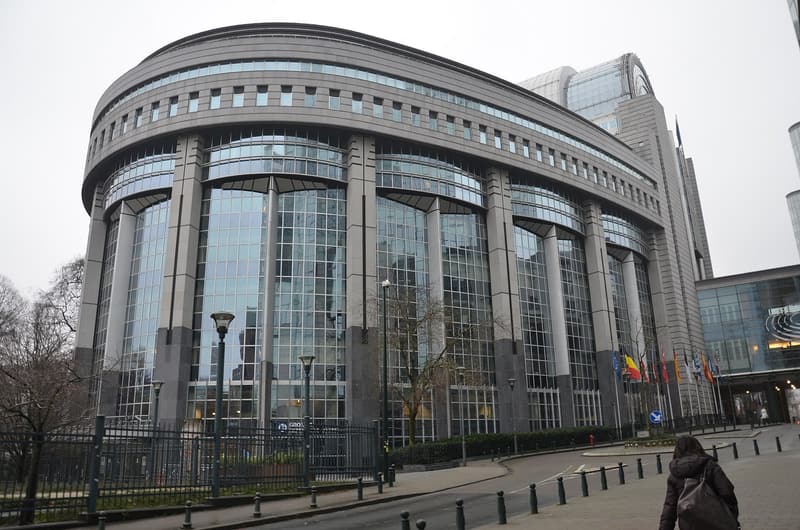
Representative photo · Photo: Steven Lek / Wikimedia Commons, CC BY-SA 4.0
Europe faces a wave of national elections that could reshape the continent's political landscape and test the resilience of the European Union.
Across the European Union, an extraordinary sequence of national ballots is set to sweep the bloc, creating a political supercycle. The outcomes of these upcoming votes could profoundly alter the continent and test the resilience of the European Union as nationalist and far-right parties gain significant momentum.
Nearly three decades ago, the political climate was dominated by pro-European, centre-left parties. Today, the momentum appears to favour the nationalist far right, threatening to unpick the postwar consensus that built the EU. Between the end of this month and the end of next year, voters in several major member states will head to the polls. Spain kicks off the cycle with a snap general election, followed by presidential and parliamentary elections in France, upcoming votes in Poland, and future elections in Italy.
Paradoxically, this nationalist surge arrives while public support for the EU remains strong, with a record 74% of Europeans stating their country benefits from membership. However, Eurosceptic and nationalist parties view the bloc as a top-down project that undermines national sovereignty. Analysts warn this could lead to a hollowing out of the European project rather than an immediate dismantling.
The coming electoral supercycle could dramatically change the face of Europe and test the bloc's resilience.
Underlying forces such as sluggish growth, ageing populations, strained public finances, and the cost of living have eroded support for traditional parties. Meanwhile, nationalist groups have successfully exploited issues like migration, the green transition, and support for Ukraine. The mainstreaming of far-right ideas by centre-right parties has further normalized these movements, leading to a fragmented and polarized political environment.
Why it matters
The biggest impact of this election supercycle could occur within the European Council of national leaders. If a cohesive Eurosceptic bloc forms, it could create a formidable blocking minority capable of paralyzing EU budget negotiations, future enlargement, aid to Ukraine, and deeper integration in defense and energy. Analysts note this could leave the EU unable to enforce rule-of-law standards or agree on crucial policies, risking a long-term loss of relevance.
Sources
More like this
Labour MPs Join Leadership Course to Tackle Rightwing Populism

ICE agents detain two people at Seattle airport

Bessent Confirms He Is Living on US Military Base Over Iran Fears