European Court Rules Turkey Must Release Jailed Lawmaker Can Atalay
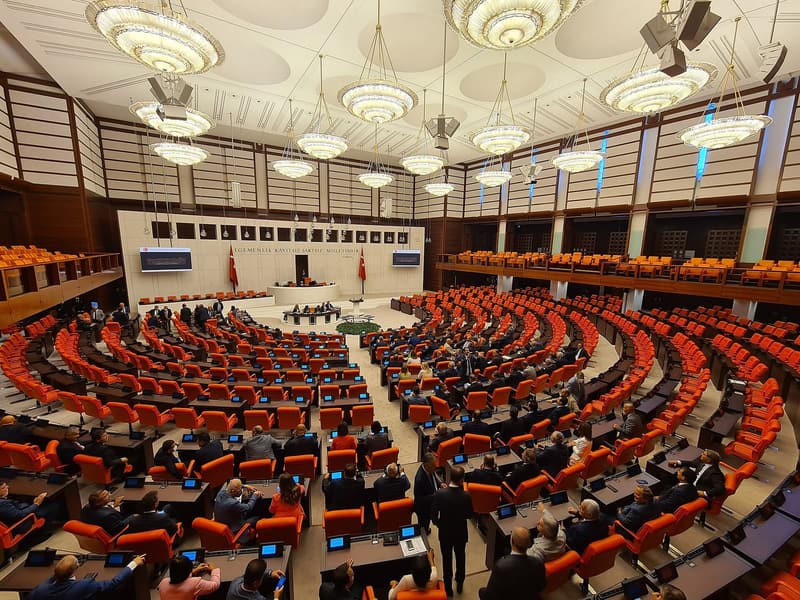
Representative photo · Photo: Yıldız Yazıcıoğlu / Wikimedia Commons, Public domain
The European Court of Human Rights has ordered Turkey to release imprisoned lawmaker Can Atalay, citing efforts to silence political opposition.
The European Court of Human Rights (ECHR) has issued a significant ruling concerning the detention of Can Atalay, a human rights lawyer and elected member of the Turkish parliament. In a decision published on Tuesday, the court declared that Turkey must immediately release Atalay and permit him to assume his parliamentary seat. This ruling is part of a broader conversation regarding Turkey rights and the state of political pluralism within the country. The court determined that the ongoing imprisonment of the lawmaker was specifically intended to silence his voice and undermine democratic processes.
Atalay, who previously represented victims in various social, political, and freedom of speech cases, was sentenced to 18 years in prison in April 2022. He was convicted for his role in the 2013 Gezi protests, which the government characterized as an attempted coup. Despite his incarceration, Atalay successfully ran for parliament in the 2023 elections as a candidate for the Workers' Party of Turkey (TIP) representing the earthquake-hit province of Hatay. Although he secured a seat, he was denied release despite several rulings from Turkey’s Constitutional Court.
The Legal Struggle for Turkey Rights
His parliamentary status was revoked in 2024, a move that the Constitutional Court later overturned. However, the decision faced significant opposition from President Recep Tayyip Erdogan’s party, which prevented the ruling from being formally read in parliament for an extended period. While the decision was eventually read by an opposition lawmaker, Atalay remains behind bars. The ECHR has ordered the Turkish government to pay him €32,500 in compensation for the violation of his rights.
The ECHR ordered Turkey to release lawmaker Can Atalay, ruling his detention undermines political pluralism.
Turkey was an original signatory to the European Convention on Human Rights, yet it has a history of refusing to comply with ECHR rulings, most notably in the cases of activist Osman Kavala and politician Selahattin Demirtas. The judges emphasized that Atalay’s case should be viewed within the wider context of the detention of political opponents, journalists, and activists across the nation. Following the publication of the ruling, TIP leader Erkan Bas publicly demanded the immediate release of Atalay and the restoration of his full parliamentary mandate.
Why it matters
The ECHR ruling represents a major challenge to the Turkish judicial and political system. It highlights the ongoing tension between international human rights obligations and domestic government policy.
For observers, the case underscores the fragility of political representation when elected officials are detained. The outcome of this case serves as a critical indicator of the rule of law and the protection of political dissent within Turkey.
Sources
More like this

Helping UK youth into work: They learn the job doing the job

Trump Announces Critical Minerals Agreements at Quad Meeting in Manila

US Pentagon fails ninth straight audit despite progress in organizing finances