Houthi Advance on Aden May Spur Resurgence of Yemen’s Southern Separatists
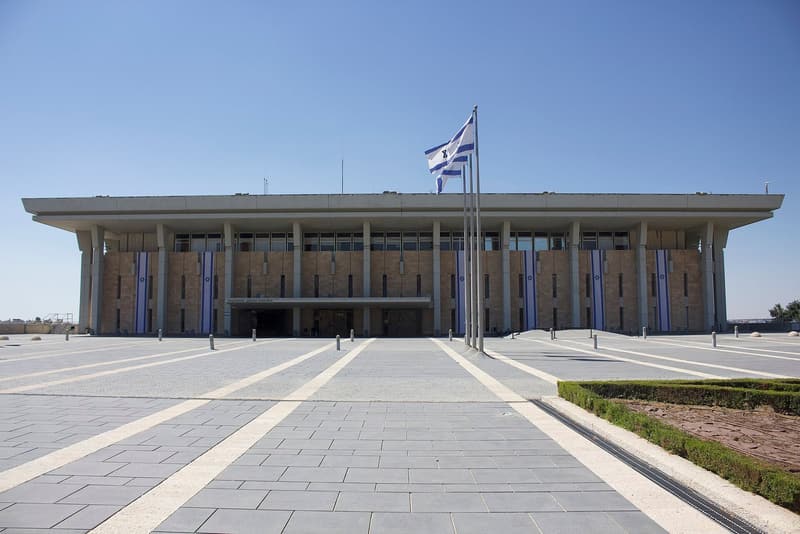
Representative photo · Photo: Brian Harrington Spier from Shanghai, Ch / Wikimedia Commons, CC BY-SA 2.0
As Houthi forces close in on Aden, the Southern Transitional Council is mobilizing to defend the city amid a broader shift in Saudi military leadership.
The Southern Transitional Council (STC) is re-emerging as a pivotal player in the Yemeni conflict as a looming Houthi military threat to the de facto capital of Aden intensifies. With the Houthi movement, also known as Ansar Allah, now positioned within 60 kilometers of the city, factions aligned with the STC have begun efforts to secure the area. The latest news on Yemen Houthis highlights a critical moment for the region, as the separatist group seeks to regain influence following months of marginalization.
Earlier this year, the STC faced significant setbacks after a Saudi-backed campaign led to a declared dissolution of the movement, though senior members dismissed the move as void. The group, which reportedly receives support from the United Arab Emirates, has long advocated for an independent southern state. Tensions between the STC and the internationally recognized government have persisted, despite their shared opposition to the Houthis, who seized Sanaa in 2014.
Southern separatists are mobilizing to defend Aden as Houthi forces advance within 60 kilometers of the city.
Houthi attack on Aden defense strategies
Amr al-Bidh, a special representative for the STC president, recently argued that the current instability stems from earlier government actions against southern forces. He emphasized that for the STC to effectively counter the Houthi advance, its units require greater battlefield autonomy. STC leader Aidarous al-Zubaidi has initiated a mobilization campaign across the south to prepare for the defense of key areas, including Lahij and al-Dhalea.
Analysts remain divided on the group's prospects. Abdy Yeganeh of Independent Diplomat noted that the STC maintains significant popular support and military capability despite previous attempts to sideline them. Conversely, expert Ali al-Dahab warned that the STC remains politically fragmented and heavily reliant on external financial support. He suggested that the Houthis currently possess military capabilities that exceed the combined strength of the government and the STC.
Meanwhile, the Saudi-led coalition is recalibrating its approach. King Salman recently appointed General Fayyad al-Ruwaili, the Saudi chief of the general staff, to command forces fighting the Houthis. According to al-Dahab, this move centralizes decision-making power in response to the ongoing Houthi offensive.
Why it matters
The shifting military landscape and the potential resurgence of the STC affect the stability of southern Yemen and the security of the de facto capital. These developments impact ongoing efforts to reach a political solution to the conflict, as the STC insists that any lasting peace must address the aspirations of the southern population.
Sources
More like this
Trump Claims US Investigating Potential Iranian Plot Despite No Credible Threats
Renewed Ethiopia-Eritrea border conflict raises fears of regional instability

Parents of Chloe Moffat launch HR policy to prevent future workplace tragedies