Fed Chair Warsh Examines AI Inflation Impact and Crypto Market Connection
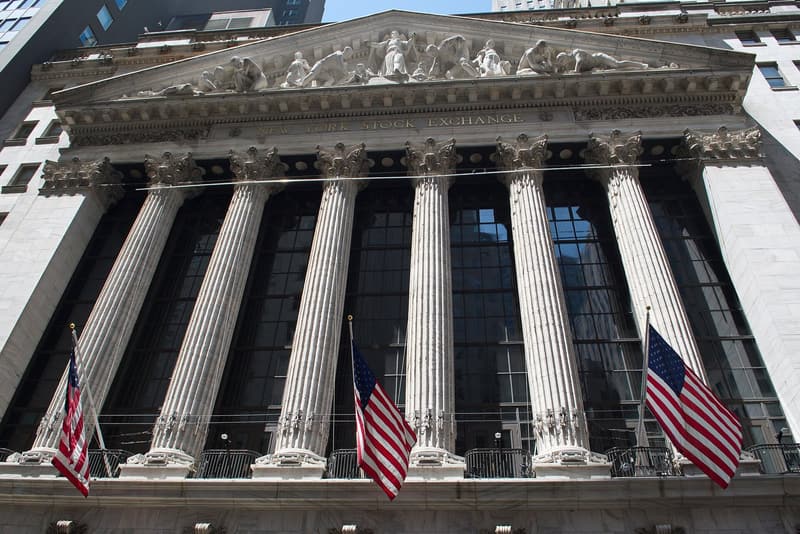
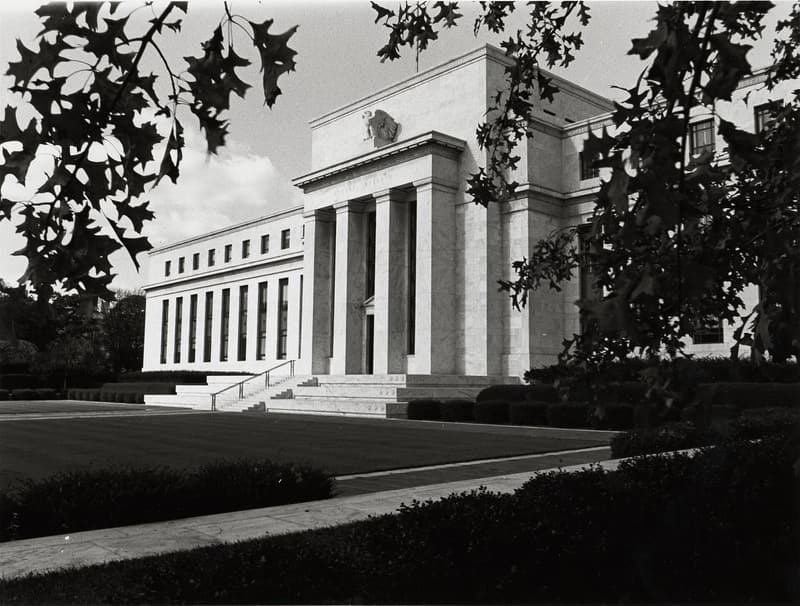
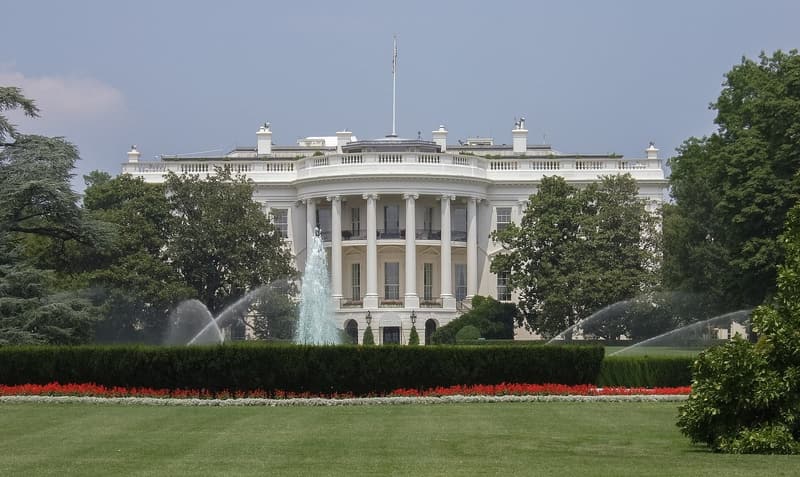
Representative photo · Photo: Federalreserve / Wikimedia Commons, Public domain
Federal Reserve Chair Kevin Warsh is hosting a public forum to evaluate how artificial intelligence affects inflation, interest rates, and cryptocurrency markets.
This is news, not investment advice. NexVani Media is not a SEBI-registered investment adviser and does not recommend buying or selling any security. Do your own research or consult a registered adviser before investing.
Federal Reserve Chair Kevin Warsh is convening a public forum on Monday to investigate whether artificial intelligence will reduce inflation, increase prices, or displace American workers. The San Francisco conference scheduled for November 16 brings together economists, technology executives, and employers to analyze how the technology is transforming the economy. These findings may shape how the central bank approaches interest rates, which directly influences Bitcoin price movements as investors choose between risky assets and safer choices.
Warsh has suggested that artificial intelligence could assist companies in producing higher volumes of goods and services at reduced expenses, thereby lowering inflation without demanding costly borrowing. Conversely, some colleagues argue that the technology boom currently drives up expenses while productivity advantages remain largely unproven. Constructing data centers demands substantial electricity, computer chips, building materials, and skilled labor, leading to rising prices as tech firms compete for these limited supplies. Fed Governor Lisa Cook noted in September that technology investments added inflationary pressure, delaying the return to the two percent target.
Federal Reserve Chair Kevin Warsh is examining how artificial intelligence impacts inflation and interest rates.
Lower interest rates typically make speculative assets like Bitcoin or technology stocks more attractive since government bonds and savings accounts yield smaller returns. However, if artificial intelligence spending sustains high inflation, the central bank might maintain or increase interest rates. Such a scenario increases borrowing costs, strengthens interest-bearing assets, and drains capital from speculative markets, including cryptocurrencies. Bitcoin already encountered pressure recently, dropping below $69,000 as stronger inflation data sparked fears of another rate hike.
Fed Chair Warsh and Digital Assets
Artificial intelligence also shares a direct connection with the digital currency industry through shared electricity demands. Both data centers and cryptocurrency mining operations require massive power access, forcing miners to secure affordable energy or seek alternative operations. Several miners have abandoned digital currency operations entirely to accommodate technology customers under major agreements. Meanwhile, Fed Governor Michael Barr highlighted potential short-term disruptions as businesses replace human tasks with automated systems, which could affect consumer spending and economic growth.
Why it matters
The upcoming conference will not dictate the upcoming interest rate decision scheduled for December 9, but it provides insights into how policymakers view a technology boom influencing financial and crypto markets alike. This evaluation affects investors, businesses, and global markets monitoring monetary policy adjustments.
Sources
More like this
Aave proposal could reduce some lenders interest returns by up to 60 percent
Why Private AI is More Important Than Ever for Data Security
Trump Nominates Four to SEC and CFTC in Bipartisan Crypto Slate