Abdul El-Sayed’s Senate Victory Challenges American Islamophobia
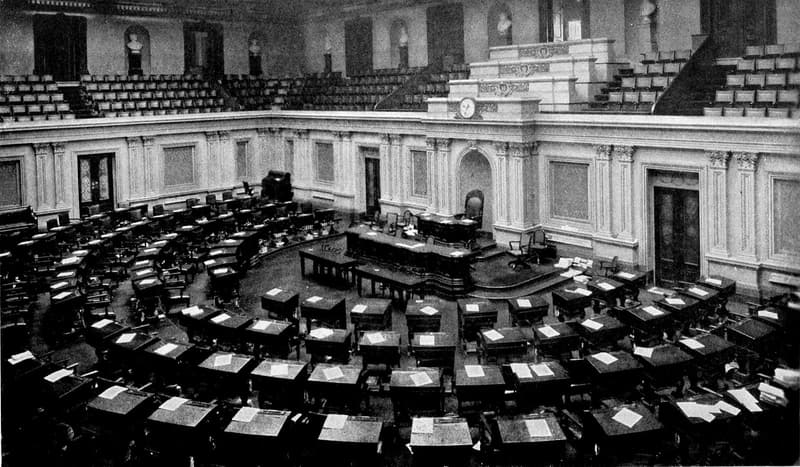
Representative photo · Photo: Harris & Ewing / Wikimedia Commons, Public domain
Abdul El-Sayed has become the first Muslim elected to the U.S. Senate, securing a historic win that challenges political stereotypes and anti-Muslim rhetoric.
The recent congressional sweep, which saw Democrats regain control from Republicans, featured a significant milestone as Abdul El-Sayed defeated Trump-backed opponent Mike Rogers. As voters look for information on Abdul El-Sayed, his victory stands out as a pivotal moment in American politics. Despite facing a campaign characterized by intense, organized anti-Muslim prejudice and smear tactics, El-Sayed successfully reclaimed his identity, including his full Arabic name, to connect with a broad base of voters.
Throughout the campaign, right-wing groups and super PACs invested heavily in opposition efforts, attempting to frame his faith as a danger to the public. However, El-Sayed countered these narratives by focusing on universal issues such as healthcare, infrastructure, and the economic impact of foreign military spending. By openly discussing his Muslim identity and placing it within a context of shared American values, he dismantled the artificial divide often used to marginalize Muslim candidates.
Reclaiming Identity and Faith
On election night, El-Sayed celebrated his win by embracing his heritage, leading a crowd to chant "Alhamdulillah" after he shared his success. This moment was viewed by many as a powerful rejection of the Islamophobia that has permeated political discourse. His campaign offered a vision rooted in humanism, diversity, and a community of care, effectively appealing to rural conservatives and urban residents alike. By refusing to be demonized, El-Sayed demonstrated that a candidate can be both unapologetically Muslim and widely electable.
Abdul El-Sayed's Senate win marks a historic shift against systemic Islamophobia in American electoral politics.
His platform explicitly connected the struggles of everyday Americans to the broader consequences of war, arguing that tax dollars should prioritize domestic needs like schools and healthcare over military intervention. This message resonated with voters who felt ignored by the political establishment, ultimately contributing to the broader shift in congressional power. El-Sayed’s victory forces a reckoning for political leaders who have historically relied on anti-Muslim tropes for electoral gain.
Why it matters
This victory represents a significant blow to the politics of exclusion and fear that have long targeted Muslim Americans. By winning a Senate seat, El-Sayed has proven that a candidate can embrace their faith and identity while successfully advocating for a vision of unity and justice, potentially reshaping how future campaigns address diversity and religious representation.
Sources
More like this
Mayor Mamdani Disbands Controversial NYPD Strategic Response Group

Democrat Dan Koh calls Trump’s blame on Biden for flight chaos ‘absurd’

Proposed NSW laws for Mount Pleasant coalmine spark corruption risk concerns