World
Inside the personal crisis kits people worldwide are building
Representative photo · Photo: David Pursehouse from Kawasaki, Japan / Wikimedia Commons, CC BY 2.0
Representative photo · Photo: David Pursehouse from Kawasaki, Japan / Wikimedia Commons, CC BY 2.0
From the US to Japan, individuals share the emergency supplies and stashes they keep at home to prepare for potential crises.
As governments issue advice on personal crisis kits, individuals around the world are assembling emergency stashes to prepare for potential disruptions. While such stockpiling is relatively new to the UK following recent official guidance, many other countries have long traditions of issuing disaster preparedness instructions due to severe weather, natural disasters, and geopolitical tensions.
In Stockholm, Sweden, resident Andreas Wennerberg built a basement stockpile after a government booklet arrived at his door two years ago detailing actions for crisis or war. His collection features a crank radio, a 10-litre water tank, and cash, serving as a wake-up call though he has not followed every recommendation completely.
In Maryland, US, physiotherapist Dan C maintains an extensive three-month food supply, 150 gallons of water, solar panels, and medical gear. Having previously lost power for two days during a harsh winter, he views the preparations as part of his responsibility as a parent and a homeowner, utilizing a rotating pantry for long-life items.
Global citizens are building personal crisis kits with food, water, and tools to prepare for emergencies.
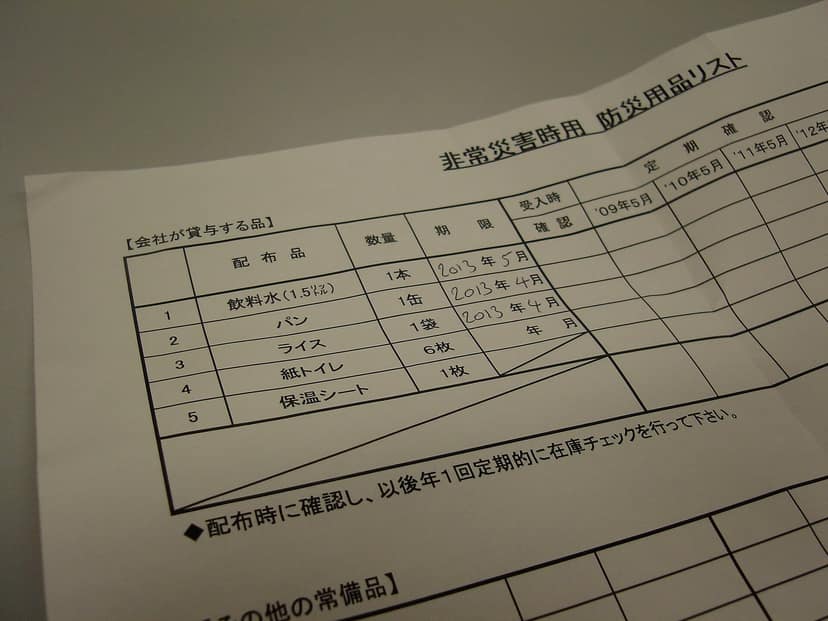
In Tokyo, Japan, university employee Ayumi T has maintained an emergency bag for years. Following an earthquake that struck the Noto Peninsula in 2024, she expanded her supplies to include clothes, towels, masks, and a disposable toilet, conducting annual checks with her family at the new year.
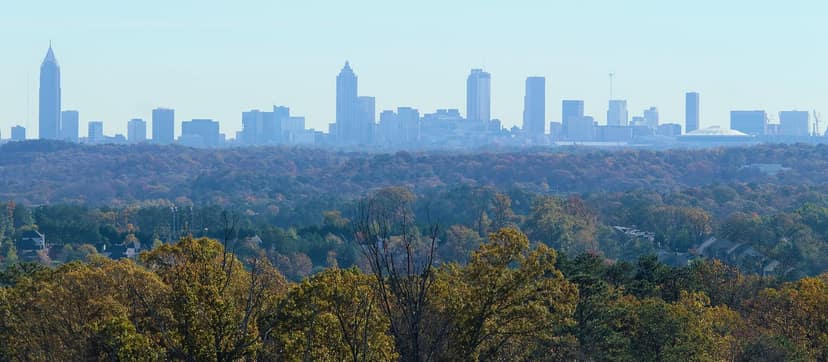
Meanwhile, Atlanta leadership coach Nicole Bonds has spent five years preparing due to rising severe weather patterns globally, acquiring cleaning products, batteries, first-aid kits, rechargeable fans, and sleeping bags.
This trend highlights how individuals globally are taking proactive measures to handle unexpected emergencies, ranging from severe weather to power outages. Understanding these preparations offers insight into how ordinary citizens manage risks and maintain readiness in different regions.