Global Travel News: Visa Updates and New Transport Links for 2025
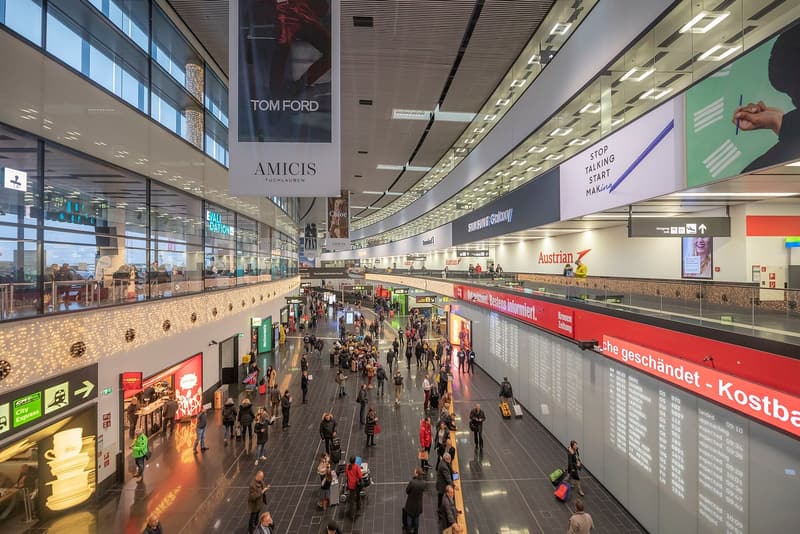
Representative photo · Photo: Arne Müseler / Wikimedia Commons, CC BY-SA 3.0 de
Travellers face major shifts in 2025, from updated visa policies in the US and Thailand to new transit options worldwide.
As the new year approaches, significant changes are reshaping the global tourism landscape. Travellers can expect substantial updates in 2025, including the expansion of Thailand's e-visa system and reforms in the United States visa framework. Travel news today highlights a range of international policy shifts and infrastructure developments designed to alter how people move across borders.
Starting January 1, 2025, Thailand will launch a global e-visa system to streamline application procedures for international visitors. Meanwhile, the United States is implementing changes from January 2025 that permit a free one-time visa interview reschedule, though subsequent changes will require a new appointment. In the United Kingdom, entry requirements are shifting as authorities raise the financial threshold for Indian students and workers by requiring proof of 11% more funds beginning in January 2025. Additionally, Australia has introduced a dual-tiered student visa system aimed at managing international enrollment numbers by prioritizing sustainable institutions.
In transportation and destination updates, Switzerland has opened the world's steepest cable car, linking Stechelberg and Mürren in a four-minute ride as part of the initial phase of the SCHILTHORNBAHN 20XX project. Near completion, the Delhi-Dehradun Expressway will reduce travel time between the two locations from six and a half hours to just two hours. Domestically in India, the Ram Janmabhoomi Temple committee has advised local devotees to delay their trips for up to twenty days due to a sudden surge in visitor volume, while IRCTC services experienced brief maintenance-related disruptions.
Global travel policies are undergoing major updates in 2025, affecting visa rules, financial requirements, and transport infrastructure.
Why it matters
These collective adjustments directly impact international tourists, students, and workers, particularly those from South Asia navigating revised entry norms in Western nations. Changes to financial proof thresholds, visa rescheduling allowances, and the digitization of application platforms mean travellers must carefully review updated requirements before planning journeys in the coming year.
Sources
More like this
Why China resists a nuclear treaty with the United States and Russia
Russian Satellite Intelligence and the Escalation of the Iran-US Conflict
The Red Sea Cannot Be Secured Without Restoring the Yemeni State