Houthi Rebel Advance in Yemen Threatens Global Shipping and Energy Security
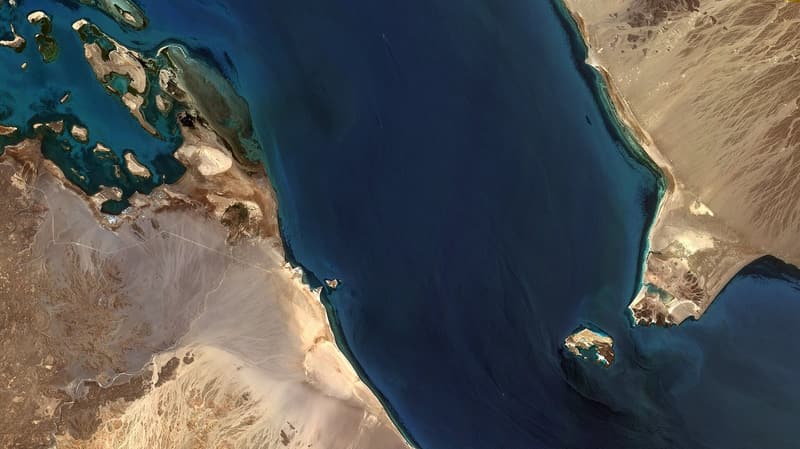
Representative photo · Photo: Coordenação-Geral de Observação da Terra / Wikimedia Commons, CC BY-SA 2.0
Iran-backed Houthi rebels have seized control of the Red Sea coast, threatening vital trade routes and raising concerns over global economic stability.
The ongoing Houthi Yemen conflict has entered a critical phase as Iran-backed rebels have forced the internationally recognised government to retreat from the Red Sea coast. This strategic withdrawal, intended to bolster the defense of the interim capital, Aden, marks a significant shift in the regional power balance. The Houthis now appear to exercise control over the Bab al-Mandab Strait, a vital maritime chokepoint that typically facilitates approximately 12% of global trade.
The Strategic Importance of the Bab al-Mandab Strait
Control over this narrow waterway, often referred to as the Gate of Tears, allows the rebels to influence maritime traffic moving between the Indian Ocean, the Red Sea, and the Mediterranean. While the Houthis maintain they are not a threat to shipping, the ongoing war with Saudi Arabia has created hazardous conditions for vessels. Previously, Saudi Arabia utilized an overland pipeline to transport oil to the Red Sea to bypass the Strait of Hormuz, but that infrastructure has been targeted by drone and missile strikes following the breakdown of a truce in July.
Nicholas Hopton, former British Ambassador to Yemen and Iran, warns that the government's retreat signals a worsening military situation. He notes that the potential fall of Aden could escalate the regional crisis and further destabilize the global economy, particularly as the world navigates the impacts of the US-Iran war. Conversely, risk analyst Mohammed al-Basha suggests that capturing the heavily fortified city of Aden would be difficult, noting that the rebels may prefer seeking a negotiated surrender to avoid the high human cost of an urban offensive.
Houthi control of the Red Sea coast threatens global trade routes and exacerbates regional economic instability.
Beyond the immediate economic risks, security experts express concern over the long-term implications of this territorial gain. Col. Iain Smailes, a former British defence attaché to Yemen, warns that the expanded coastline control will likely facilitate the smuggling of weapons from Iran and the Horn of Africa. This development not only poses a direct threat to the region but also enables the Houthis and their allies to project influence deep into East Africa and beyond, potentially triggering further spikes in global oil prices.
Why it matters
The Houthi advance changes the security landscape of the Arabian Peninsula by placing a critical global trade artery under the influence of an Iranian-aligned militia. This shift risks higher inflation and energy costs for economies worldwide, as the disruption of shipping lanes forces logistical challenges that ripple through international markets.
Sources
More like this
Sudanese army air strike kills 13 civilians in West Kordofan

European Union Seeks Role in Talks as What European Union Strategy Shifts

Forensic expert raises new questions regarding Jeffrey Epstein's death