Business
Accelerated Electrification Could Cut India's Energy Import Bill by 40% by FY2035
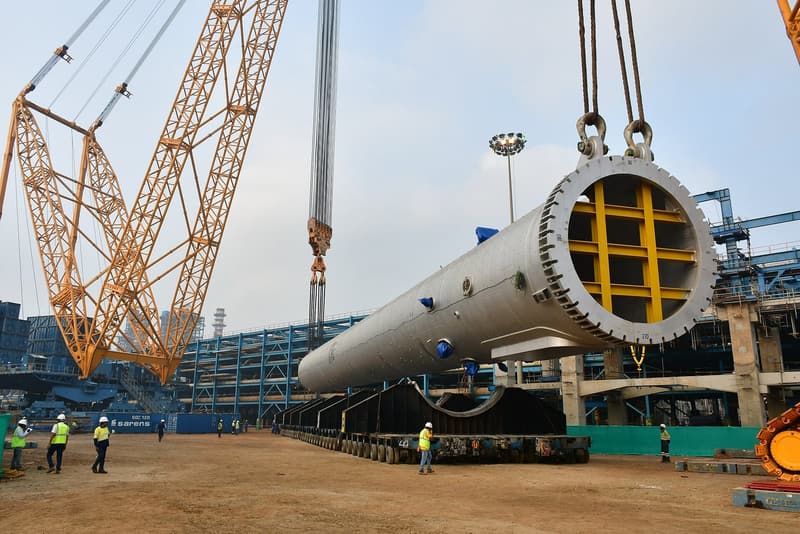
Representative photo · Photo: Rajiv Nair EIL / Wikimedia Commons, CC BY-SA 4.0
Representative photo · Photo: Rajiv Nair EIL / Wikimedia Commons, CC BY-SA 4.0
A new report suggests that scaling up electrification efforts could significantly lower India's dependence on imported fossil fuels over the next decade.
As the nation looks for ways to improve India and its economic resilience, a recent analysis highlights the potential of widespread electrification to reshape the country's energy landscape. By shifting reliance away from traditional fossil fuels, the nation could see a substantial reduction in its annual expenditure on energy imports.
The findings indicate that accelerating the transition toward electrification is a critical lever for economic stability. Currently, India faces a significant financial burden due to the high costs associated with importing crude oil, natural gas, and coal. Projections show that if the country successfully scales its electrification efforts, the total expenditure on these energy imports could drop to Rs 7.4 lakh crore by the fiscal year 2035. This represents a major decrease from the estimated Rs 12.5 lakh crore expenditure expected in FY2025.
Accelerated electrification could reduce India's energy import bill by over 40 percent by FY2035.
This shift toward electrified systems is presented as a strategic move to manage the country's growing energy needs while simultaneously curbing the outflow of foreign currency. By reducing the demand for imported hydrocarbons, the nation can better insulate its economy from global price volatility and supply chain disruptions associated with fossil fuel markets. The transition encompasses various sectors, aiming to replace traditional combustion-based energy consumption with cleaner, more efficient electric alternatives.
This transition is significant for India as it directly impacts the national trade balance and energy security. By lowering the import bill by more than 40 percent, the government and the economy could redirect substantial capital toward domestic infrastructure and development. For the average citizen, this structural shift could lead to more stable energy costs and a more sustainable long-term economic trajectory.