Nationwide ground stop could cost US airlines hundreds of millions
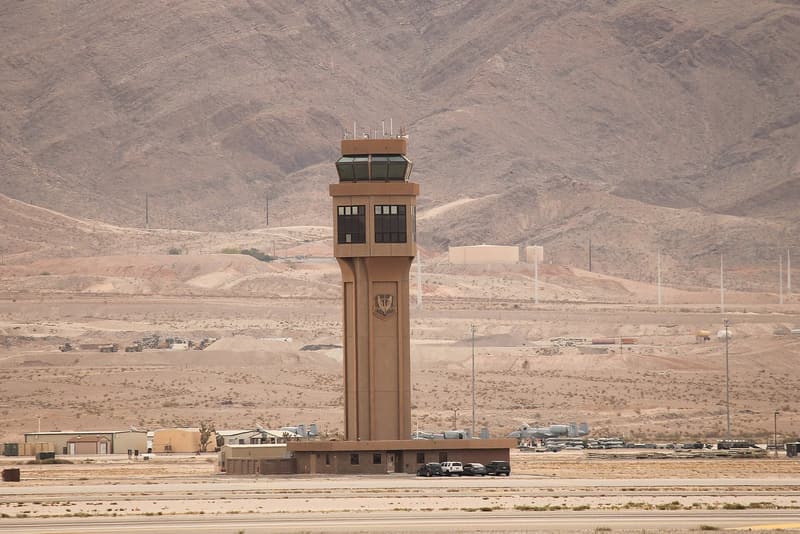
Representative photo · Photo: Noah Wulf / Wikimedia Commons, CC BY-SA 3.0
Major US airlines face massive financial losses following a nationwide ground stop, sparking urgent calls for infrastructure investment.
The recent nationwide ground stop in US airspace has left the aviation industry reeling, with major carriers facing a potential financial impact of hundreds of millions of dollars. As flight schedules continue to recover from the disruption, which saw over 18,500 flights cancelled, industry leaders are intensifying their push for a comprehensive overhaul of the country’s ageing air traffic control infrastructure.
According to data from the brokerage firm Bernstein, the four largest US airlines—American Airlines, Delta Air Lines, United Airlines, and Southwest Airlines—could see a combined reduction in pretax earnings of approximately $345 million. Transportation Secretary Sean Duffy noted that while no official total economic cost has been finalized, the broader impact of the event could reach into the billions of dollars. Delta Air Lines CEO Ed Bastian echoed this sentiment, suggesting that the scale of the disruption highlights a critical need to modernize aviation systems, drawing a comparison to the significant private investments currently flowing into artificial intelligence and data infrastructure.
The nationwide ground stop has caused massive financial losses and renewed calls for critical aviation infrastructure upgrades.
Addressing the nationwide ground stop
The disruption, which grounded flights across the country for over four hours last Friday, remains under investigation. Secretary Duffy confirmed that the incident originated at a remote Federal Aviation Administration (FAA) site in Arkansas, where contractors from L3Harris were replacing older copper wiring with fibre-optic cables. This event follows a September report from the Government Accountability Office, which warned that the FAA lacked an integrated schedule for its modernization efforts, increasing the risk of operational failures.
In response, Secretary Duffy has requested $50 billion from Congress to upgrade air traffic control and airport systems. This is in addition to the $12.5 billion already approved last year. President Donald Trump has publicly urged lawmakers to approve the funding immediately, arguing that the necessary upgrades should be completed as a single project rather than in piecemeal stages. However, some Democratic lawmakers have expressed hesitation, pointing out that only a small fraction of the previously allocated $12.5 billion has been utilized to date. With the House and Senate scheduled to meet for a final session before the end of the year, Speaker Mike Johnson has indicated that the administration’s funding request will be a priority, though Democrats continue to demand greater transparency regarding how these funds will be managed.
Why it matters
The debate over aviation funding is critical as the current air traffic control system relies on outdated equipment that is increasingly prone to failure. Airline executives view this as a necessary call to action to ensure future reliability.
For passengers and the global aviation network, this issue is significant as US airspace serves as a major hub for international travel. Continued instability in these systems affects flight reliability for travelers worldwide, including those connecting through major US airports to destinations in India and South Asia.
Sources
More like this

Thousands report difficulties accessing accounts online at major US banks

Former Minister Proposes NI Cuts for Under-25s to Boost Youth Employment
Several companies use Trump tariff refunds for executive bonuses