HSBC Lets Hong Kong Customers Buy Fund With HK$100 in RedCoin
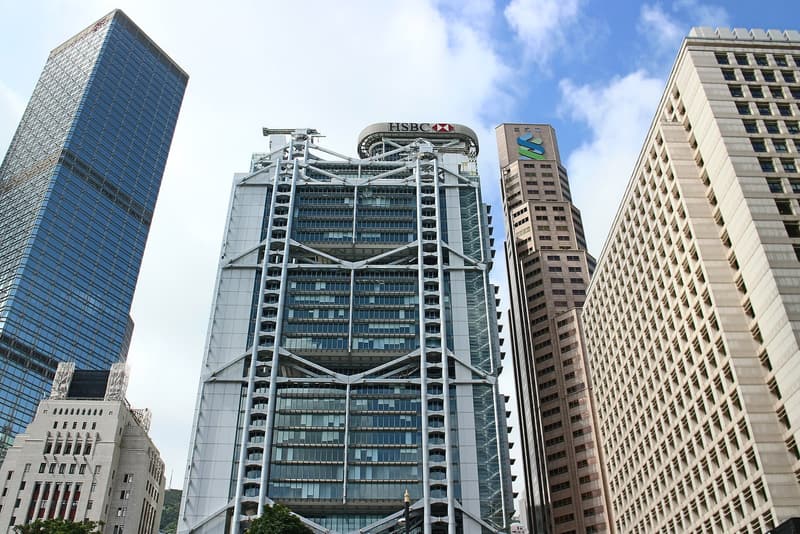
Representative photo · Photo: Suicasmo / Wikimedia Commons, CC BY-SA 4.0
Eligible HSBC clients in Hong Kong can now use the bank's proprietary stablecoin to purchase a local money-market fund starting at just HK$100.
This is news, not investment advice. NexVani Media is not a SEBI-registered investment adviser and does not recommend buying or selling any security. Do your own research or consult a registered adviser before investing.
HSBC has updated its mobile application in Hong Kong to allow eligible users to purchase units in a local currency money-market fund using RedCoin. The tokenized Class SD shares can be acquired through the Wealth section of the HSBC HK App starting at a minimum investment of HK$100, which is paid using 100 units of the bank's proprietary Hong Kong dollar-denominated stablecoin.
Media reports and asset management dates indicate the public launch followed an initial preview when the bank integrated RedCoin for PayMe transactions earlier. To access the feature, customers must meet specific eligibility criteria, including being at least 18 years old, holding a sole-name integrated account, maintaining a valid local residential address, and activating their RedCoin wallet while physically located in the region.
While the prospectus for the fund lists a standard minimum purchase of HK$10,000 for tokenized and conventional classes, the mobile application applies a lower threshold. The system combines payment, order confirmation, and unit issuance to streamline settlement. RedCoin transactions operate on the bank's internal distributed ledger, whereas the tokenized units utilize Ethereum as their initial blockchain, with the official ownership record maintained off-chain by the registrar.
HSBC mobile app users in Hong Kong can now invest in a money-market fund using RedCoin.
Redemptions follow an 11 a.m. local time dealing cutoff on business days. Requests processed through distributors determine the applicable net asset value, with payments routed according to standard settlement procedures. Conventional and tokenized classes share the same underlying portfolio of short-term debt instruments, though class-specific expenses can result in different unit prices. The tokenized units do not support peer-to-peer transfers or secondary trading through the app, separating them from other digital funds available on licensed local venues.
Why it matters
The integration links traditional wealth products with proprietary stablecoin technology within a major banking environment. This development provides eligible retail participants with a streamlined digital route to enter money-market investments using bank-issued digital currency.
Sources
More like this
Anthropic IPO Highlights SBF Investment Portfolio and FTX Liquidated Shares
Bitcoin ETF Investors Face Long Trading Gap During Thanksgiving Holiday

Sky Protocol Maintains USDS Peg Following $2 Billion in Stablecoin Withdrawals