Politics
Telangana Government Launches Affordable Housing Scheme for Hyderabad Auto Rickshaw Drivers
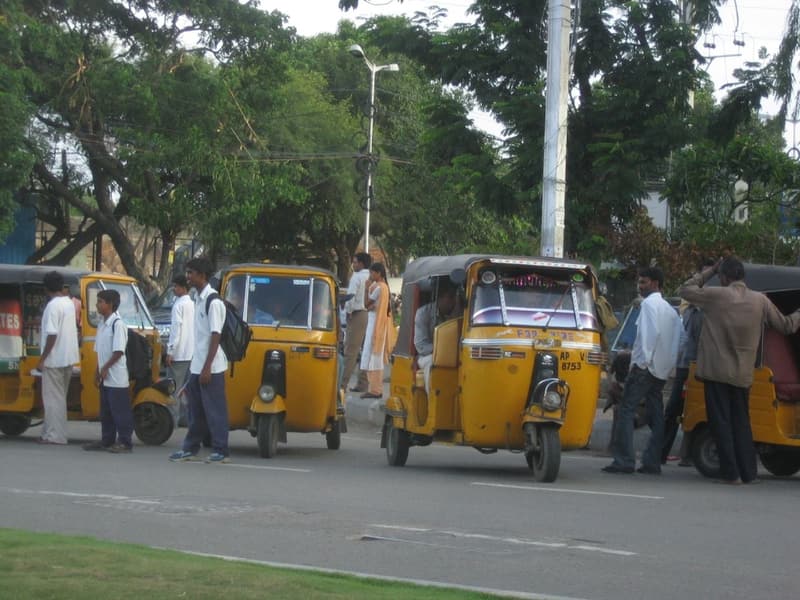
Representative photo · Photo: Linda N. / Wikimedia Commons, CC BY 2.0
Representative photo · Photo: Linda N. / Wikimedia Commons, CC BY 2.0
The Telangana government has announced a new initiative to provide affordable housing options specifically for auto rickshaw drivers operating in Hyderabad.
The government of Telangana has officially announced the launch of a new housing initiative aimed at supporting auto rickshaw drivers in Hyderabad. This project, which seeks to provide affordable living solutions to those working in the city's transport sector, has been formally approved by the state administration.
To facilitate the execution of this project, the government has granted permission to the Telangana Housing Board to oversee the implementation of the scheme. While many residents often search for information regarding a Hyderabad auto rickshaw or general transport infrastructure, this policy shift focuses specifically on the welfare and residential stability of the drivers themselves.
The Telangana government is launching an affordable housing scheme specifically for Hyderabad auto rickshaw drivers.
The initiative is designed to address the housing needs of individuals who provide essential daily transit services across the city. By tasking the Telangana Housing Board with the development and management of the housing project, the state aims to streamline the process of delivering these homes to eligible workers. The move follows a broader government commitment to improving the living conditions of various labor sectors within the capital region.
This decision represents a significant policy development for the transport workforce in Telangana. By prioritizing affordable housing for auto rickshaw drivers, the government is directly impacting the financial stability and quality of life for thousands of families who form the backbone of urban mobility in Hyderabad.
For readers in India and the broader South Asian region, this development highlights a growing trend of state-led welfare interventions tailored to specific informal sector workers. It underscores the importance of integrating transport workers into formal urban development planning, potentially serving as a model for other metropolitan areas seeking to support their essential service providers.