India Ranks 10th in Climate Risk Index After Severe Weather Events
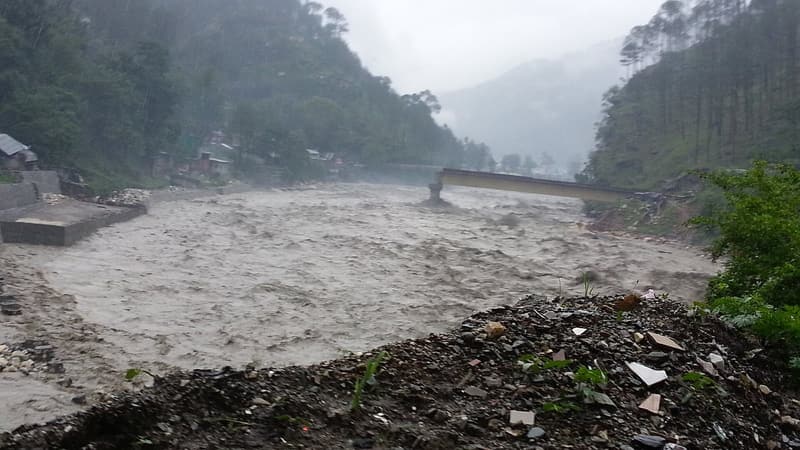
Representative photo · Photo: sumit / Wikimedia Commons, CC BY-SA 4.0
India ranked tenth in the Climate Risk Index 2027 by Germanwatch, recording 436 extreme weather events, over 78,000 deaths and huge economic damage.
India has secured a spot among the ten countries most heavily affected by extreme weather phenomena over the past three decades, according to the Climate Risk Index 2027 report published by Germanwatch. The Germany-based environment and development organisation tracked weather data spanning from 1996 to 2025 across the globe.
During this thirty-year timeframe, the organization documented 436 extreme weather occurrences within India. These catastrophic incidents claimed upwards of 78,000 human lives, impacted a population exceeding 1.2 billion individuals, and triggered financial losses surpassing $170 billion. The nation faced multiple forms of severe meteorological disruptions, encompassing prolonged droughts, severe heatwaves, destructive cyclones, and devastating floods.
Recurring disasters have inflicted profound damage on both human populations and the national economy. Heavy seasonal monsoon rains frequently generated massive landslides and river overflows, displacing millions of residents and heavily impacting agricultural sectors. Meanwhile, aggressive tropical cyclones repeatedly struck vulnerable coastal territories.
The environment report pointed out several prominent historical weather incidents in the country over the last three decades. Notable catastrophes included the 1998 Gujarat cyclone, the 1999 Odisha cyclone, Cyclone Hudhud in 2014, and Cyclone Amphan in 2020. Additional destructive episodes involved the 2013 Uttarakhand floods and widespread inundation across 13 states in 2019. Cyclone Amphan emerged as the most financially devastating tropical storm of the era, causing over $16 billion in inflation-adjusted damages. Furthermore, the country endured severe heatwaves during 1998, 2002, 2003, and 2015, where peak temperatures approached 50°C and resulted in numerous fatalities.
Disproportionate Impact on Developing Nations
Global analysis within the study demonstrated that developing regions bear the heaviest burden of severe meteorological phenomena. Nine out of the ten most heavily impacted nations between 1996 and 2025 belonged to lower-middle-income or upper-middle-income brackets. Alongside India, this group included countries such as Nicaragua, Haiti, Honduras, Myanmar, Dominica, Grenada, the Philippines, and Libya, with the Bahamas serving as the sole high-income representative in the top tier.
These nine developing nations collectively contributed merely 3.9 percent of worldwide historical emissions dating back to 1871, with India alone responsible for 3.57 percentage points of that cumulative share. The findings align closely with assessments from the Intergovernmental Panel on Climate Change Sixth Assessment Report, which highlights that vulnerable populations with minimal historical contributions suffer disproportionately from current climate alterations.
India recorded 436 extreme weather events and over $170 billion in economic losses over three decades.
Nations situated within the Global South frequently operate with reduced financial reserves and restricted institutional capabilities to manage sudden environmental disasters effectively. This shortage of resources compounds the challenges faced by local communities during recovery phases.
Why it matters
This comprehensive index underlines the severe physical and economic tolls endured by developing nations that contributed minimally to historical global emissions. For residents and policymakers in India and South Asia, the findings emphasize the urgent need for enhanced disaster preparedness, improved infrastructure resilience, and greater financial allocation toward climate adaptation strategies.
Sources
More like this

Official Forecast Predicts 10% Rise in Car Use in London Over Next Decade

Developer accused of environmental vandalism over hedgerow clearance

Leftover pumpkins help deliver 1,000th free meal in Cambridge