India Plans World’s Highest Railway Station in Ladakh at 17,244 Feet
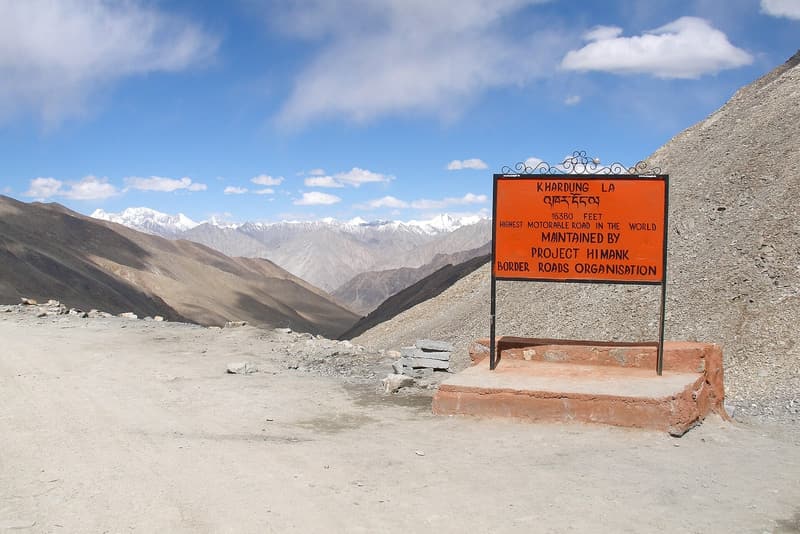
Representative photo · Photo: Vyacheslav Argenberg / Wikimedia Commons, CC BY 4.0
India is proposing a 489-km rail link to Ladakh featuring a station at 17,244 feet, potentially becoming the highest in the world.
India is currently evaluating an ambitious infrastructure project that could reshape connectivity across the Himalayas. The proposed 489-km Bilaspur–Manali–Leh railway line is designed to traverse extreme terrain, with plans for a station situated at approximately 17,244 feet beneath the Tanglang La pass in Ladakh. If realized, this station would surpass China’s Tanggula railway station, which currently holds the global record at 5,068 metres, by roughly 188 metres. While many people search for India India map details to understand the country's vast geography, this project highlights the immense engineering challenges of connecting remote high-altitude regions.
The proposed 17,244-foot station would become the world's highest railway terminal if constructed as planned.
Engineering the Himalayan Corridor The alignment is set to connect Bilaspur in Himachal Pradesh with Leh, passing through key locations including Mandi, Manali, Keylong, Sarchu, Pang, Rumtse, and Upshi. The scale of the undertaking is significant, with nearly 270 km of the total 489-km corridor expected to run through tunnels. Engineers must contend with extreme geological conditions, including seismic risks, avalanches, glacial movements, and sub-zero temperatures. Given these factors, the project is considered one of the most difficult railway undertakings in the nation.
Project Status and Financials With an estimated cost of ₹1.31 lakh crore, the broad-gauge connection represents a massive financial commitment. The Ministry of Railways has completed the initial survey and prepared a detailed project report (DPR). However, the project remains in the planning stage, and the completion of a DPR does not equate to formal construction approval. There is currently no confirmed deadline for the project, and it will require further engineering assessments and regulatory clearances before any ground is broken.
Why it matters The project is viewed as strategically vital for improving logistics and defense movement in a sensitive frontier region. By providing all-weather rail access, India aims to reduce the time and cost associated with transporting fuel, equipment, and personnel to Ladakh, which currently relies heavily on road networks. Additionally, the line could unlock new economic and tourism opportunities for local communities in Himachal Pradesh and Ladakh, though the construction process will necessitate rigorous environmental mitigation strategies.
Sources
More like this

Poundland US Owner Says Retailer Remains Vulnerable After Ministerial Talks

Why London Is So Expensive: Price Variations Across the Capital

Ueno Bank Closure Sparks Widespread Protests Across Paraguay