Politics
PM Modi Highlights India's Metro Expansion From 248 Km To Nearly 1,200 Km
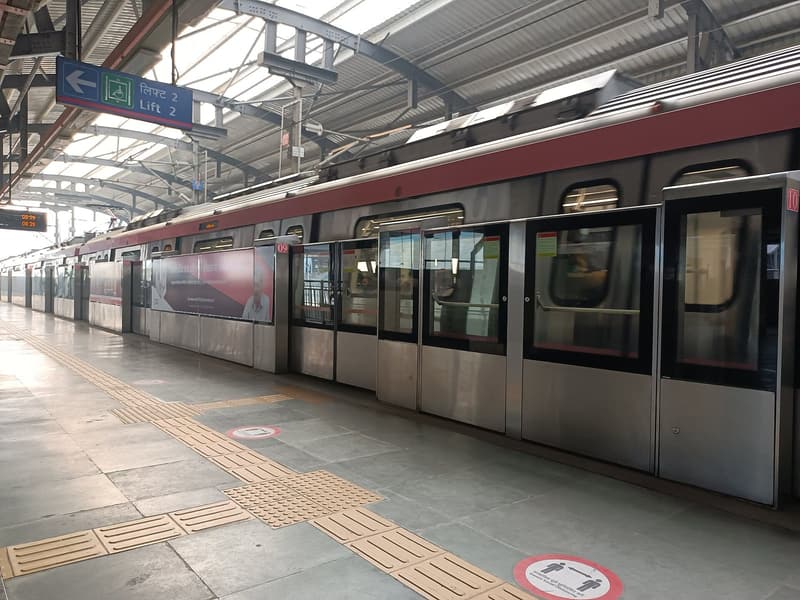
Representative photo · Photo: Kool Nerd 123 / Wikimedia Commons, CC BY 4.0
Representative photo · Photo: Kool Nerd 123 / Wikimedia Commons, CC BY 4.0
Prime Minister Narendra Modi reported a significant expansion in India's metro rail network, which has grown from 248 km in 2014 to nearly 1,200 km today.
Prime Minister Narendra Modi recently addressed the substantial growth of India's urban transit infrastructure, noting that the country's metro network has expanded significantly since 2014. The Prime Minister emphasized that the total operational length has increased from 248 km across five cities to nearly 1,200 km across 26 cities, marking a major shift in national connectivity.
The expansion reflects a strategic focus on enhancing public transportation systems in major urban centers. By increasing the reach of metro services from five cities to 26, the government has aimed to improve transit accessibility for millions of commuters. This development is part of a broader push to modernize infrastructure and reduce reliance on road-based transport in densely populated regions.
India's metro network has grown from 248 km to nearly 1,200 km across 26 cities since 2014.
The scale of this growth underscores the government's commitment to urban mobility. The transition from a limited network to a widespread transit system across more than two dozen cities represents a significant milestone in India's infrastructure development trajectory. As the network continues to evolve, the focus remains on connecting more urban areas to efficient, high-capacity rail transit.
This expansion is significant because it fundamentally alters how residents in major Indian cities commute, potentially reducing traffic congestion and travel times. For millions of daily commuters, the growth of the metro network provides a more reliable and faster alternative to traditional road transport, directly impacting the quality of urban life and economic productivity in these regions.
For the broader South Asian context, the rapid scaling of such large-scale public transit infrastructure serves as a benchmark for regional development. By successfully implementing these projects across 26 cities, India demonstrates a model for urban planning that prioritizes high-capacity public transport, which may influence future infrastructure policies throughout the region.