Climate
Can India's water crisis be solved by restoring lakes in Karnataka?
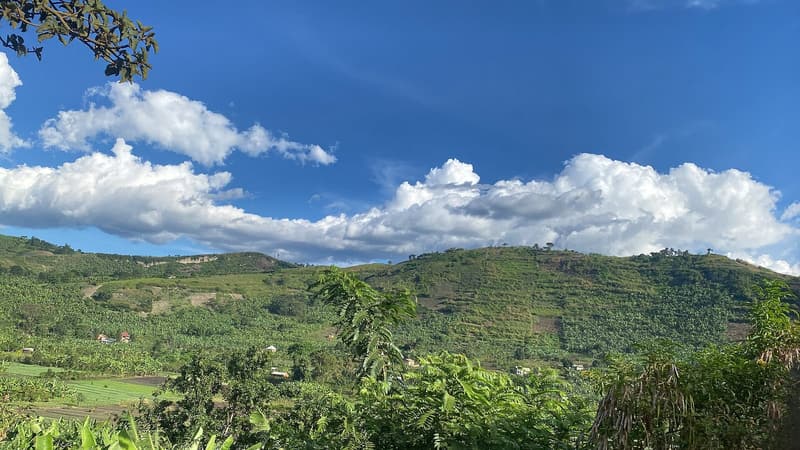
Representative photo · Photo: Vyacheslav Argenberg / Wikimedia Commons, CC BY 4.0
Representative photo · Photo: Vyacheslav Argenberg / Wikimedia Commons, CC BY 4.0
A Karnataka town is launching a four-year experiment to test if restoring degraded lakes can help solve acute drinking water shortages.
As groundwater levels decline and borewells run dry, communities across various regions face mounting pressure to secure reliable water sources. In response to these growing shortages, a new four-year initiative has been launched in a Karnataka town to examine whether restoring degraded lakes can help solve India's water crisis and secure drinking water supplies.
The project focuses on revitalizing local water bodies that have suffered from neglect and degradation over the years. By bringing these neglected lakes back to functional status, organizers aim to observe how natural water storage recovery impacts the surrounding water table and community availability.
Restoring degraded lakes in Karnataka could offer a vital solution to declining groundwater levels.
Declining groundwater levels and dry borewells have created significant challenges for residents relying on underground aquifers. The four-year experiment seeks to measure the tangible benefits of lake rejuvenation efforts on local hydrology, providing a practical case study for regional water management.
As groundwater levels decline and borewells run dry, a Karnataka town is exploring whether restoring degraded lakes can help secure drinking water supplies. This initiative matters because it addresses the critical challenge of depleting water resources, offering potential insights into sustainable resource management that could influence future approaches to drinking water security in similar drought-prone areas.