Indonesia Delays Power Exports to Singapore Amid Pricing and Domestic Demand Concerns
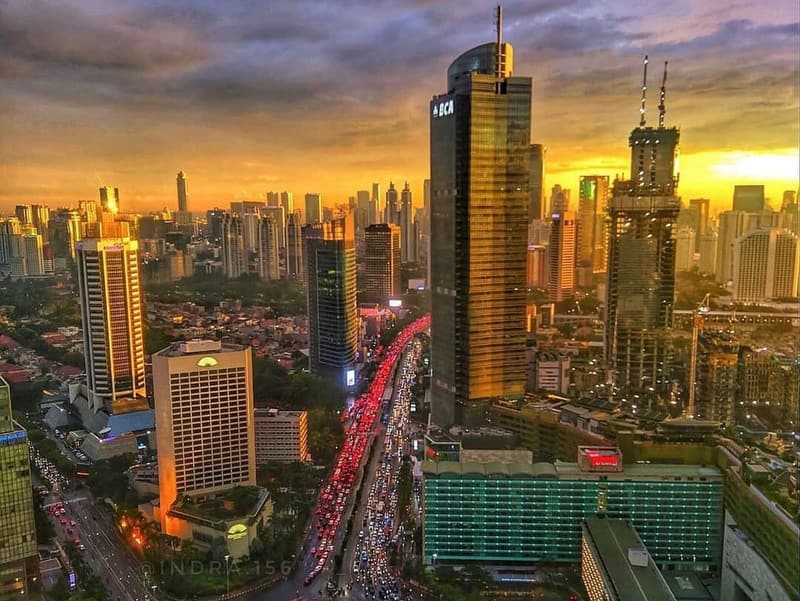
Representative photo · Photo: Magnificentjakarta / Wikimedia Commons, CC BY-SA 4.0
The Indonesian government has postponed electricity exports to Singapore, citing the need to prioritize domestic supply and ongoing negotiations over pricing agreements.
Indonesia has officially signaled a delay in its plans to export electricity to Singapore, as the government prioritizes meeting local energy needs and seeks a mutually beneficial pricing structure. While the nation remains open to international energy partnerships, officials have clarified that domestic requirements currently take precedence over cross-border supply agreements.
Coordinating Downstream and Energy Transition Minister Bahlil Lahadalia stated earlier this month that Indonesia is not yet in a position to export power. According to the minister, the primary hurdle involves securing a fair price agreement, with the state retaining the authority to set export rates. Speaking at the Presidential Palace in Jakarta on November 2, Bahlil emphasized that if potential buyers are unwilling to meet the government's terms, the focus will remain on satisfying the local market.
Navigating the Singapore Power Plant Export Strategy
Industry experts have weighed in on the implications of this shift. Fabby Tumiwa, CEO of the Institute of Essential Services Reform (IESR), acknowledged that prioritizing domestic demand is a valid justification for the delay. However, he noted that the duration of this pause remains uncertain. Tumiwa pointed out that domestic electricity demand is projected to grow at an annual rate exceeding 7 percent, a figure that surpasses initial estimates outlined in the latest Electricity Supply Business Plan (RUPTL) from state utility provider PLN.
Furthermore, Tumiwa addressed concerns regarding the regions of Batam, Bintan, and Karimun, which are geographically closest to Singapore. He suggested that any potential power crises in these areas should be managed directly by PLN Batam, rather than being overshadowed by export ambitions. As developers look toward the development of a Singapore power plant or similar infrastructure, the lack of confirmed buyers and the uncertainty surrounding export timelines have created a challenging environment for project planning.
Indonesia's delay in power exports to Singapore creates uncertainty for developers planning new solar projects.
Why it matters
The government’s decision to postpone electricity exports undermines the viability of projects intended to supply green energy to the region. This policy shift raises significant questions regarding the willingness of developers to invest in and construct solar power plants without the security of confirmed buyers.
For stakeholders and observers, the situation highlights the tension between national energy security and the pursuit of international export markets. The outcome of these ongoing price negotiations will determine whether these large-scale renewable energy projects move forward or remain stalled in the face of shifting domestic priorities.
Sources
More like this
Former Minister Proposes NI Cuts for Under-25s to Boost Youth Employment

Several companies use Trump tariff refunds for executive bonuses

Donald Trump Says He Would Not Mind Seeing Jensen Huang Return to Nvidia