Exiled journalists face ongoing repression from the Iranian state
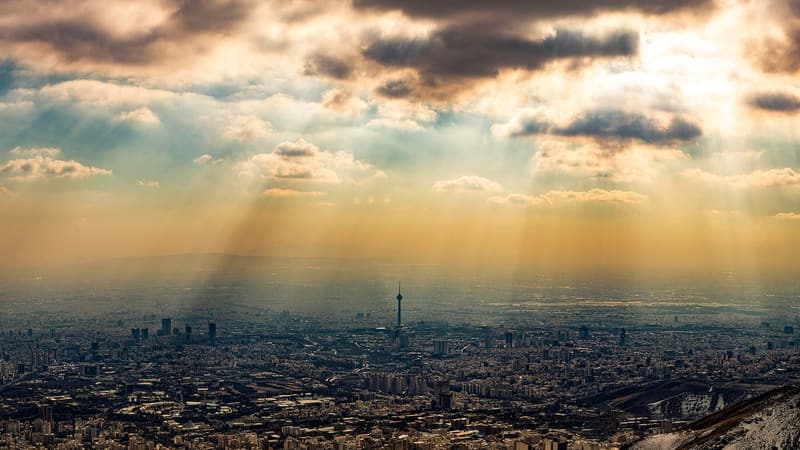
Representative photo · Photo: Salehi1990mohsen / Wikimedia Commons, CC BY-SA 4.0
Independent reporters who have fled Iran remain targets of the regime, which uses asset seizures and threats against family members to silence critical voices from abroad.
For many independent reporters, leaving Iran does not mean escaping the reach of the state. While the country has a long history of dealing with those who leave, including the various figures often searched as Iran exiled, the current political climate has intensified the pressure on journalists who continue their work from abroad. The government frequently uses these individuals as scapegoats during times of crisis, labeling them as traitors or agents of foreign intelligence services.
At the end of September, the Iranian judiciary announced plans to confiscate assets belonging to approximately 400 people living outside the country, including activists, athletes, and journalists. Among those targeted is freelance reporter Amir Soltanzadeh, who works with international broadcasters. Soltanzadeh discovered his name on a government list after his assets, including a personal library and a small bank account, were frozen. He noted that the state's narrative often attempts to frame journalists as spies, a tactic that has had severe consequences for his family, including his father losing his job.
The Iranian regime uses asset seizures and family intimidation to silence independent journalists living in exile.
The reach of state surveillance
Beyond financial penalties, the regime employs digital surveillance to monitor reporters. Authorities are known to hack social media accounts and intercept private communications, which are then used as evidence against contacts remaining inside Iran. This environment of fear has forced many journalists to sever direct ties with their families to ensure their safety, relying instead on intermediaries for communication.
Inside Iran, the situation for the media is equally restrictive. Despite constitutional guarantees of press freedom, the Press Law includes broad provisions that allow authorities to intervene if they believe reporting insults the clergy or the Supreme Leader. Journalists based in the country face constant pressure to follow the official government narrative, limiting their ability to conduct independent research on sensitive topics like human rights or state executions.
For journalists like Omid Barin, who reports on ethnic minorities and human rights, the threats from the regime are a constant reality. Barin emphasizes that he must remain extremely cautious when communicating with sources to avoid endangering them. The clear message from the authorities, he suggests, is that journalists should either abandon their profession or stop covering sensitive issues entirely.
Why it matters
This systematic repression limits the flow of information reaching the public, as journalists are forced into exile or compelled to self-censor. The practice of targeting family members and seizing assets creates a chilling effect that extends far beyond Iran's borders, affecting the global understanding of the country's internal affairs.
Sources
More like this
At least five injured in shooting at Logan Circle Washington DC
Family of Javits Frimpong seeks justice after arrest in Bronx shooting
Inside Ukraine: Power Grid Struggles Under Russian Drone and Missile Attacks