A mother seeks justice after Iranian forces killed her daughter in protests
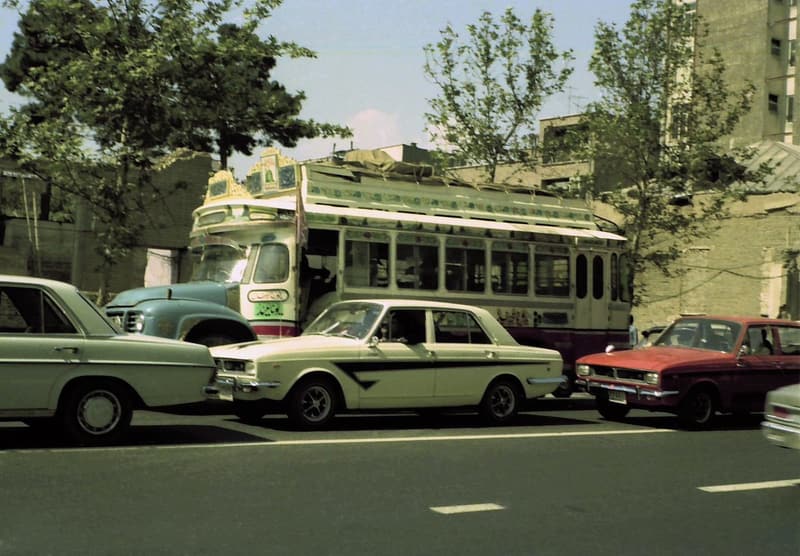
Representative photo · Photo: Dick Gilbert / Wikimedia Commons, CC BY 2.0
Following the death of her teenage daughter during anti-government protests, a former sales worker has fled Iran to campaign for accountability.
The landscape of civil unrest in Iran has left many families shattered, with search queries like "iran killed" reflecting the global concern over the violent response to recent demonstrations. Among those affected is a former cosmetics sales worker who fled the country after her 16-year-old daughter, Sevda, was shot dead by security forces during mass protests on January 9. The demonstrations, which began late last year due to economic grievances, had evolved into widespread calls for an end to the Islamic Republic.
The day of the tragedy According to the mother, identified as Samira, she and her daughter joined the protests on the outskirts of Tehran. Sevda, who was inspired by the resistance of Mahsa Amini and Nika Shakarami, had been actively participating in the movement. On the day of her death, Sevda reportedly gave her earrings to her grandmother and shared her phone passcode with her mother, appearing to anticipate the danger. While leading a chant, Sevda was struck by a bullet fired from a rooftop, which her mother believes came from a sniper positioned by the IRGC or Basij forces.
A grieving mother has fled Iran to hold security officials accountable for her daughter's death during protests.
Following the shooting, Samira faced significant obstacles from authorities while attempting to locate her daughter's body. Her grief quickly turned into a resolve to seek justice. After enduring what she describes as persistent harassment, she made a dangerous escape from the country on foot, navigating mountainous terrain to reach safety abroad. Now living in hiding, she has dedicated herself to identifying the specific officials and security members she holds responsible for the lethal crackdown.
While some citizens remain in Iran despite the risks, many have expressed difficulty maintaining hope after the state brutally suppressed the protests. The Iranian embassy in London has maintained that the demonstrations were hijacked by foreign powers, including the United States, and that the state's actions were a response to violence and threats to public security. This period of turmoil was further compounded by a broader conflict involving air strikes by the US and Israel that resulted in the death of the country's supreme leader, Ayatollah Ali Khamenei.
Why it matters The death of Sevda and the subsequent flight of her mother highlight the extreme human cost of the ongoing political instability in Iran. This situation underscores the severe risks faced by those challenging the state, affecting families across the region and drawing international scrutiny toward the regime's tactics of suppression.
Sources
More like this
UN Demands Probe Into Death of Staffer Held by Houthis in Yemen
Critique of RFK Jr remarks on Arab scientific production
UN Western Sahara peacekeeping mission concludes after 35 years