Thousands Evacuated in India as Cyclone Murasu Nears Coast
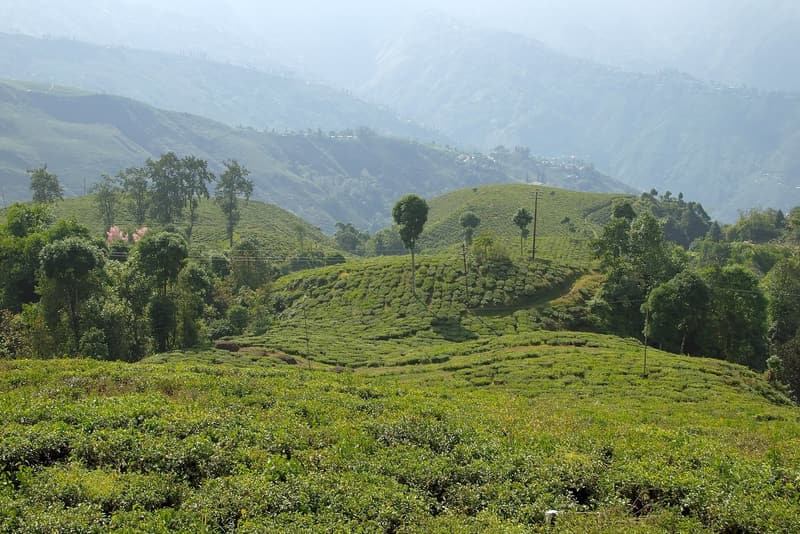
Representative photo · Photo: Vyacheslav Argenberg / Wikimedia Commons, CC BY 4.0
Authorities in Andhra Pradesh are moving tens of thousands of coastal residents into shelters as Cyclone Murasu approaches, less than a week after a deadly storm struck the region.
Emergency responders have launched a large-scale relocation effort across southern India, with thousands evacuated from vulnerable shorelines as Cyclone Murasu barrels toward Andhra Pradesh.
State disaster management officials confirmed that approximately 2,000 residents were moved to safety by Monday, with preparations under way to shelter around 30,000 people from low-lying coastal zones. The emergency measures come as communities continue to pick up the pieces following another fatal cyclonic system that battered the identical shoreline just days earlier.
Disaster management teams are relocating tens of thousands of coastal residents as Cyclone Murasu bears down on Andhra Pradesh.
According to national forecasters, Murasu is slated to make landfall as a severe cyclonic storm between Nellore and Narsapur, striking close to the city of Ongole between late Monday evening and early Tuesday morning. Meteorologists anticipate sustained wind speeds between 100 and 110 kilometres per hour, accompanied by dangerous gusts that could reach up to 120 kilometres per hour.
Thousands Relocated to Safer Ground
Administrative leadership has mobilized extensive personnel across several coastal zones. Thirteen response units, comprising six federal disaster teams and seven regional squads, have taken up positions to handle search, rescue, and relief operations. Three of the national teams were brought in from neighbouring Tamil Nadu to bolster local capabilities.
District administrators have instructed all coastal civil servants to stay stationed at their desks to oversee emergency operations, while seafaring workers have been strictly warned against venturing out into open waters. Regional leaders noted that Prakasam, Nellore, Bapatla, and Krishna districts are positioned directly along the path of greatest disruption.
Severe infrastructural disruptions are also anticipated. Andhra Pradesh's head of government warned that between 6,000 and 8,000 utility poles may collapse under heavy winds, creating serious risks of widespread electrical failures.
Classrooms have been temporarily shut down across Andhra Pradesh, Tamil Nadu, and Odisha. Even as the system begins to lose strength following landfall, heavy precipitation is projected to persist across Andhra Pradesh, Telangana, Chhattisgarh, and Odisha through Wednesday.
Why it matters
The storm threatens vital infrastructure and fragile rural livelihoods across south and central India. With thousands of electrical poles at risk of destruction, extensive power outages may disrupt communications, clean water access, and emergency response operations for millions of residents. Coming immediately after Cyclone Arnab claimed six lives and levelled crops and homes across the same shoreline, this second consecutive impact compounds economic hardship for local farming and fishing communities.
Sources
More like this
Blackpool coastal protection verdict delayed following safety concerns

Conservationist Sacha Dench welcomes new UK lead ammunition ban

Video ecuador captures house collapsing in floods