Hezbollah Leader Sees Political Shifts in US and Israel as Beneficial for Lebanon
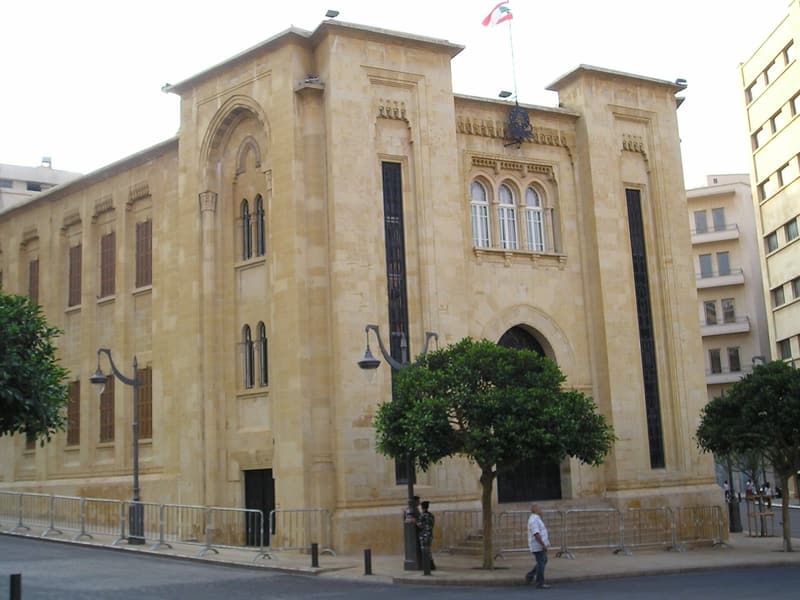
Representative photo · Photo: Heretiq / Wikimedia Commons, CC BY-SA 2.5
Hezbollah Secretary-General Naim Qassem claims recent US and Israeli election results could help Lebanon protect its sovereignty and resist disarmament efforts.
Hezbollah Secretary-General Naim Qassem has declared that recent political developments in the United States and Israel could prove advantageous for Lebanon. In a recent video-link address, the leader of the group discussed the current state of Lebanon Hezbollah relations, suggesting that electoral outcomes abroad might provide a buffer against international pressure to disarm his organization. Qassem characterized the setbacks faced by Republicans in the US midterm elections and the lackluster performance of Israeli Prime Minister Benjamin Netanyahu’s bloc as significant shifts that could alter the regional balance of power.
The impact of Lebanon Hezbollah politics
Qassem, who assumed leadership following the assassinations of his predecessors in 2024, described the US election results as an "earthquake" and labeled the Israeli vote a defeat. He argued that these political changes signal a weakening of the pressure exerted by the Trump administration to force Hezbollah to relinquish its weapons. The group remains in a tense standoff with the US-backed Lebanese government regarding the status of its arsenal. Qassem maintained that as long as Israel continues its military occupation of southern Lebanon, the group will not consider any state monopoly on weapons or disarmament.
Recent US and Israeli election results may bolster Hezbollah's resistance against international pressure to disarm.
Addressing the domestic situation, Qassem called for national unity, urging Lebanese authorities to avoid making international commitments that align with Israeli objectives. He criticized the focus on external demands, suggesting that such policies only serve to sow discord within the country. The region remains deeply affected by the ongoing conflict, which intensified following the February assassinations of Iranian leadership and subsequent retaliatory strikes. According to Lebanese authorities, these hostilities have resulted in over 4,300 deaths and the displacement of approximately one million people.
Furthermore, Qassem expressed support for Iran’s decision to close the Strait of Hormuz, noting that the resulting spike in global oil prices and disruption to shipping routes serves to diminish American and Israeli influence. He urged local officials to prioritize domestic stability over foreign tutelage, emphasizing that the protection of Lebanese sovereignty is a shared national responsibility.
Why it matters
This development highlights the ongoing instability in the Middle East and the complex interplay between local militias and international political cycles. For Lebanon, the rhetoric from Hezbollah suggests a hardening of its stance against disarmament, potentially complicating future diplomatic efforts to restore full state authority in the south.
For readers in India and South Asia, this situation is significant due to the potential for further volatility in global energy markets. As Hezbollah emphasizes the economic impact of regional shipping disruptions, any escalation in the standoff could lead to sustained pressure on oil prices, which directly affects the economic outlook for import-dependent nations in the region.
Sources
More like this
Israeli strikes hit tent camp as five killed in Gaza
Two skulls returned to Brazil after Harvard eugenics studies

A Popular Cafe Relocates From Besieged Hometown to Reopen in Ukraine