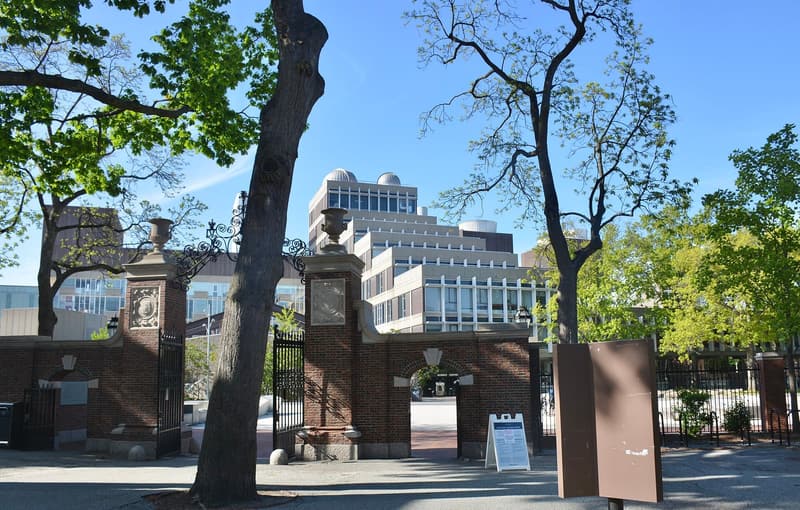
Two skulls returned to Brazil after Harvard eugenics studies
Representative photo · Photo: Rizka / Wikimedia Commons, CC BY-SA 4.0
Two skulls, likely of enslaved people taken in the 19th century and used in racist eugenics studies at Harvard, have been repatriated to Brazil.
Two skulls believed to have belonged to enslaved Africans or Afro-Brazilians were repatriated to Brazil on Wednesday after spending more than a century in the United States. The remains, which were used in racist eugenics studies at Harvard University, were flown back by Brazilian diplomats following a four-year campaign to recover them from Harvard's Peabody Museum of Archaeology and Ethnology. One skull was taken from Salvador about 190 years ago, while the other was removed from Rio de Janeiro about 160 years ago. Both were welcomed back in subdued ceremonies in their respective cities.
The existence of the skulls came to light in 2022, leading local researchers to seek their return, a process that accelerated after the Brazilian government intervened in late 2024. The remains were transported in padded boxes inside reinforced suitcases. Local universities will now conduct forensic anthropology analyses to learn more about the individuals. The Brazilian government has pledged that the skulls will not be displayed in museums and will be given proper funeral rites once identification is complete.
Two 19th-century skulls used in Harvard eugenics studies were repatriated to Brazil.
Historical records suggest the skull from Salvador belonged to a man who participated in an 1835 slave revolt and died in a hospital before a US diplomat sent his remains to Boston. Campaigners have referred to him as Arakunrin. The second skull, missing its jaw, is believed by researchers to have possibly belonged to a woman taken from a Rio de Janeiro cemetery by a student on an expedition led by Harvard professor Louis Agassiz.
Slavery was abolished in Brazil in 1888, but structural racism continues to impact Afro-Brazilians, who form the majority of the population while disproportionately facing poverty, hunger, and violence. Officials and activists emphasized that recovering these remains is an essential step in acknowledging past violence and restoring dignity to ancestors whose remains were treated as research objects.
Why it matters
This repatriation highlights ongoing efforts to address the enduring scars of transatlantic slavery and correct historical injustices rooted in colonial-era exploitation and racist scientific practices. By returning these ancestral remains for proper burial, the initiative underscores the importance of historical transparency and restitution for communities affected by structural racism.
Sources
More like this

Israeli strikes hit tent camp as five killed in Gaza

A Popular Cafe Relocates From Besieged Hometown to Reopen in Ukraine

Hormuz Strait Will Not Return to Pre-War Status, Says Iran’s Ghalibaf