Mahmood accused of hardening rules for 200,000 successful asylum applicants
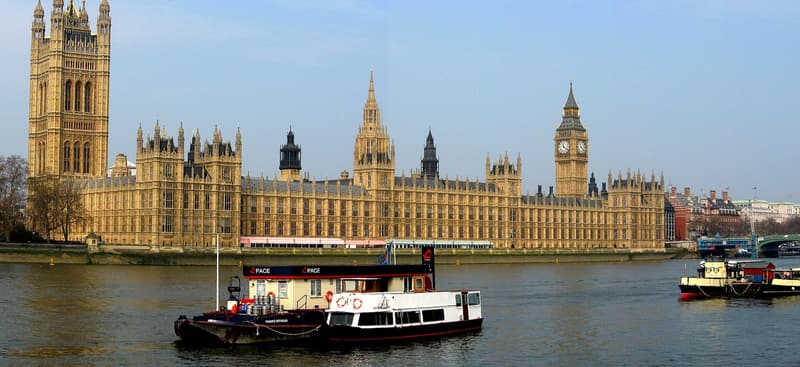
Representative photo · Photo: reverendlukewarm / Wikimedia Commons, CC BY-SA 2.0
Home Secretary Shabana Mahmood faces criticism for introducing a 30-year wait for permanent settlement, affecting hundreds of thousands of refugees who previously expected a five-year path.
Home Secretary Shabana Mahmood is facing significant backlash following the introduction of a new immigration framework that critics claim imposes a 30-year wait for permanent settlement on hundreds of thousands of refugees. While many individuals, including those who might search for information on figures like Mahmood, expected a five-year path to indefinite leave to remain, the government’s latest proposals have introduced an 'earned settlement' model that complicates the process for many asylum seekers.
Concerns over Mahmood and the new settlement rules
The Refugee Council has accused the Home Secretary of causing widespread distress and uncertainty. This criticism stems from the fact that a cohort of 200,000 successful asylum applicants, who were previously assured they could apply for indefinite leave after five years, will now face status reviews every 30 months. This shift appears to contradict earlier government assurances provided in March, which suggested that those with pending claims would remain eligible for the five-year settlement route.
New government plans force many refugees to wait up to 30 years for permanent settlement in the UK.
Last year, Mahmood personally stated that the 30-year wait would apply only to 'illegal entrants who are not refugees.' However, the small print in the latest Home Office document, titled 'A fairer pathway to settlement,' indicates that refugees arriving via irregular routes—such as small boats—who claimed asylum before March 2, 2026, will now be moved to a 'core protection' scheme. Under this system, refugees receive an initial 30 months of leave, which must be renewed periodically. If conditions in their home country are deemed safe, their status could be revoked.
Jon Featonby, chief policy analyst at the Refugee Council, warned that constant changes to these expectations create immense instability. He noted that thousands who believed they were nearing settlement could now face decades of temporary status, which he argues is incompatible with rebuilding a life after experiencing war and persecution. Furthermore, the Home Office faces potential administrative challenges, as the new policy requires repeated, long-term processing of applications.
While the Home Office maintains that there has been no policy change since last year’s proposals, it has declined to comment on the specific discrepancies regarding the Home Secretary's previous public statements or the new footnote in the official documentation. On Monday, Mahmood defended the shift, telling MPs that the right to live in the UK indefinitely will no longer be automatic but must be earned.
Why it matters
This policy change significantly alters the long-term prospects for refugees who arrived in the UK through irregular means. By replacing a clear five-year path to settlement with a 30-year 'earned' model requiring frequent status reviews, the government has introduced prolonged uncertainty for thousands of individuals, including those from South Asian backgrounds seeking safety.
The shift effectively removes the previous guarantee that asylum claims submitted before March 2026 would lead to settlement after five years. This impacts the ability of refugees to plan their futures, as their permission to stay is now subject to regular renewal based on conditions in their home countries.
Sources
More like this
Adam Hamawy Becomes First Muslim US Congressman from New Jersey
Amtrak Workers’ Union Opposes New Policy Allowing Firearms on Trains
Could the US midterm results shift the relationship between Israel and Washington?