Mayor Mamdani Announces Plan to Close New York's Rikers Island Jail by 2032
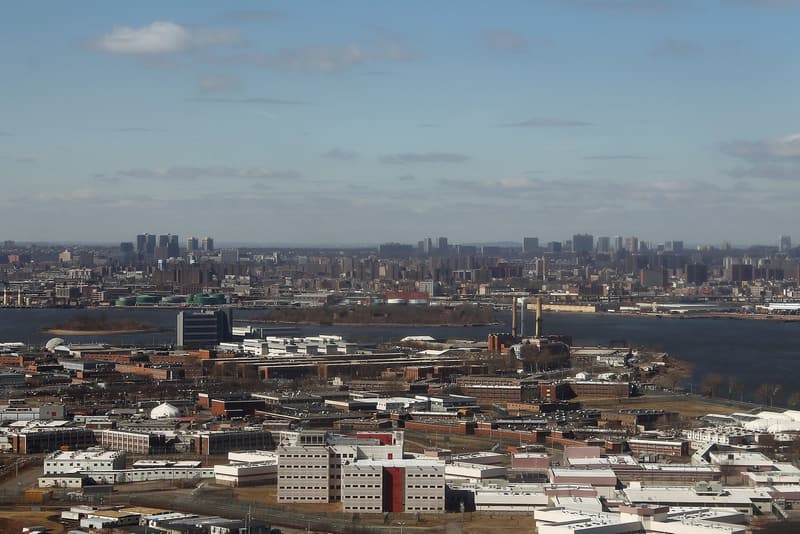
Representative photo · Photo: formulanone from Huntsville, United Stat / Wikimedia Commons, CC BY-SA 2.0
New York City Mayor Zohran Mamdani has unveiled a new proposal to shutter the notorious Rikers Island jail complex by 2032, replacing it with four smaller facilities.
New York City Mayor Zohran Mamdani has officially announced a comprehensive strategy to close the Rikers Island jail complex by 2032. As part of the Mamdani New York mayor administration's vision, the city plans to construct four new, smaller detention facilities while significantly reducing the overall inmate population. The proposal, detailed in an 88-page report, aims to replace the aging, 413-acre island site with a more modern system that prioritizes improved infrastructure and better access to essential services.
Mayor Mamdani aims to close the notorious Rikers Island jail complex by 2032 with a new detention plan.
The Future of Mamdani New York Policies
The Rikers Island facility, situated between Queens and the Bronx, has long been criticized for its dilapidated conditions, staffing shortages, and high rates of inmate mortality, with nine deaths reported this year alone. Often referred to by nicknames like "Torture Island," the complex has historically housed high-profile detainees including Tupac Shakur and Harvey Weinstein. Under the new plan, the city intends to reduce the current population of over 6,500 inmates to 4,100. To achieve this, the administration plans to implement alternative programs for those awaiting trial, simplify the online bail process, and accelerate legal proceedings.
Dana Kaplan, appointed by the mayor as the "Close Rikers Czar," emphasized that the initiative represents a generational opportunity to rethink detention. The administration has already begun shifting resources, including the opening of 100 therapeutic beds at Bellevue Hospital to support prisoners with serious mental health needs. Furthermore, the city has earmarked $146 million for vocational education, substance use treatment, and mental health programming.
However, the proposal faces significant opposition from the New York City Correction Officers' Benevolent Association. The union argues that capping the jail population at 4,100 is an irresponsible measure that could compromise public safety by necessitating the release of individuals charged with violent felonies. Despite these concerns, the plan to build new facilities in Brooklyn, the Bronx, Queens, and Manhattan remains a central pillar of the administration's goal to move away from the current infrastructure.
Why it matters
This plan marks a major shift in how the largest city in the United States manages its incarcerated population. Previous legislative mandates to close the facility by 2027 were derailed by the Covid-19 pandemic and administrative delays, leading to federal oversight of the jail. If approved by the City Council, this transition will fundamentally change the detention landscape in New York, moving away from a remote, centralized complex toward smaller, community-accessible facilities.
Sources
More like this

Why is Bangladesh’s Grameen Bank under attack?

From Mocked to Mainstream: How the Spain Vox Party Transformed Its Fortunes

Fears for school crossing patrols as councils struggle to recruit lollipop people