Mayor Mamdani Signs Legislation to End NYC Horse-Drawn Carriage Industry
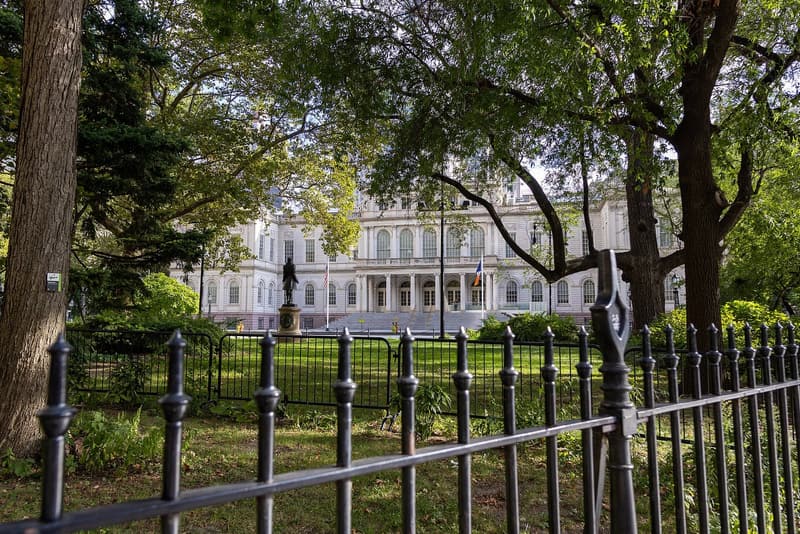
Representative photo · Photo: Nielsoncaetanosalmeron / Wikimedia Commons, CC BY 4.0
New York City Mayor Zohran Mamdani has signed a bill to phase out horse-drawn carriages by 2028, following the tragic death of an Indian tourist.
New York City Mayor Zohran Mamdani has officially signed legislation that will bring the city’s century-old horse-drawn carriage industry to a permanent close by June 1, 2028. The new law, which has drawn significant public attention to the policies of Mamdani in New York, aims to modernize the city's approach to transport in Central Park while addressing long-standing safety and animal welfare concerns.
Known as Romanch’s Law, the legislation is named in memory of 18-year-old Indian tourist Romanch Mahajan. Mahajan was killed in June after being thrown from a carriage in Central Park when the horse pulling it became startled. During the signing ceremony on Thursday, Mayor Mamdani acknowledged the industry's long history in the park while emphasizing the necessity of the transition. He stated that the city has a responsibility to support the workers whose livelihoods will be impacted by the closure, promising financial support and career development opportunities.
New York City will phase out its historic horse-drawn carriage industry by June 2028 following new legislation.
The Future of Mamdani in New York
The legislative move has been described by City Council Speaker Julie Menin as a historic milestone, noting that the council had considered ending the industry for nearly two decades. Beyond the safety concerns raised by the tragedy, the law addresses persistent animal welfare issues, including reports of horses dying from exhaustion. To assist those affected, the administration has announced a transition plan for approximately 200 workers, including drivers, stable hands, and medallion owners. This program will offer job training, career counseling, and entrepreneurship support, with a full transition roadmap expected by April 2027.
City officials are also exploring modern alternatives to maintain the park's appeal. The administration plans to commission a feasibility study to evaluate the use of electric carriages and pedal-assist bicycles within Central Park and along its perimeter. The city intends to coordinate closely with the Transport Workers Union to ensure that the transition for industry employees is as smooth as possible, providing them with the necessary tools to secure new employment.
Why it matters
This law marks the end of an industry that has operated in New York City for over 150 years, fundamentally changing the landscape of Central Park tourism. It directly impacts the livelihoods of roughly 200 workers who will now transition into new career paths through city-led programs.
For readers in India and South Asia, the legislation serves as a poignant reminder of the tragic loss of Romanch Mahajan. The law stands as a permanent legislative response to his death, aiming to ensure that such an incident does not recur while addressing global concerns regarding animal welfare in urban tourism.
Sources
More like this
James Cleverly Selected as Conservative Candidate for London Mayor
President Xi Calls for Trilateral Cooperation Between China, Russia, and the US

Europe and the Trump factor: Assessing shifting global power dynamics