Why is Bangladesh’s Grameen Bank under attack?
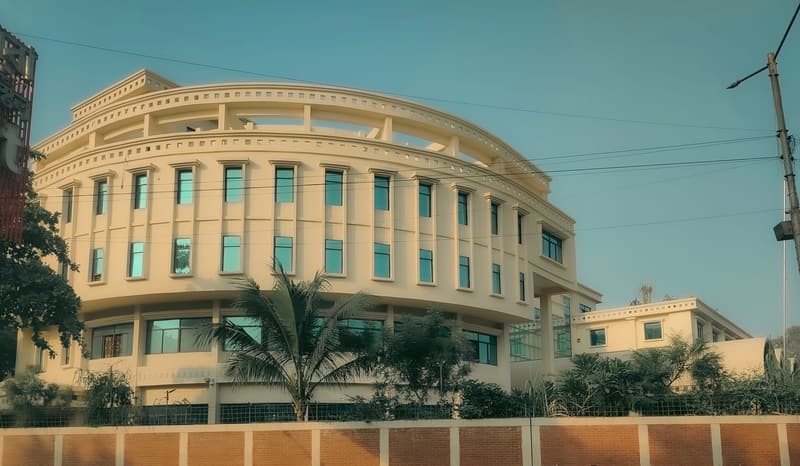
Representative photo · Photo: Cerium4B / Wikimedia Commons, CC0
The Nobel Prize-winning Grameen Bank is facing a wave of violent attacks by supporters of ousted leader Sheikh Hasina, threatening the financial security of millions of rural borrowers.
The Grameen Bank, a renowned institution that pioneered microcredit for those excluded from conventional banking, has become a target of significant unrest. As people often ask why Bangladesh is famous for its unique social development models, the current violence against this institution highlights deep-seated political instability. Between November 10 and 23, internal records show that 97 branches and offices were attacked, leaving staff and customers in a state of insecurity.
In a recent incident in the Gopalganj district, a group of men armed with machetes and petrol stormed a branch in Kashiani. They looted equipment and burned approximately 40 sacks of loan vouchers and legal documents. Branch manager Solaiman Morol reported that the attackers, who shouted slogans associated with the Awami League, aimed to destroy records in an attempt to convince borrowers they no longer needed to repay their loans. The bank has been unable to resume normal operations, and the safety of deposits held by millions of rural women is now a primary concern.
The systematic destruction of Grameen Bank records threatens the financial stability of millions of rural borrowers.
Political tensions and the Grameen Bank
The violence is widely viewed as a manifestation of political retaliation against Dr. Muhammad Yunus, who served as chief adviser following the removal of former Prime Minister Sheikh Hasina in August 2024. Analysts suggest that for hardliners within the Awami League, the bank serves as a symbolic target to express anger over the party's fall from power and its subsequent exclusion from electoral politics. Mubashar Hasan of Western Sydney University noted that the attacks may also function as a performance of strength, intended to signal that the party remains active despite its ban.
Professor Asif Mohammad Shahan of the University of Dhaka described the strategy as a "politics of revenge." By targeting a pillar of the nation's financial infrastructure, the perpetrators may be attempting to provoke a heavy-handed government response, which could then be used to challenge the administration's legitimacy. Meanwhile, the government maintains that it is working to uphold law and order across the country.
Why it matters
The attacks directly endanger the livelihoods of 10.6 million members, 90 percent of whom are the bank's own borrower-owners. With over $1.53 billion in outstanding loans and $2 billion in deposits at stake, the destruction of documentation threatens the very foundation of trust that keeps the institution functional. For the rural poor who rely on these services, the loss of records could lead to significant financial uncertainty and long-term economic hardship.
Sources
More like this

From Mocked to Mainstream: How the Spain Vox Party Transformed Its Fortunes

Fears for school crossing patrols as councils struggle to recruit lollipop people
Andy Burnham to Update MPs on EU Deal as Government Reviews Quango Future