Fears for school crossing patrols as councils struggle to recruit lollipop people
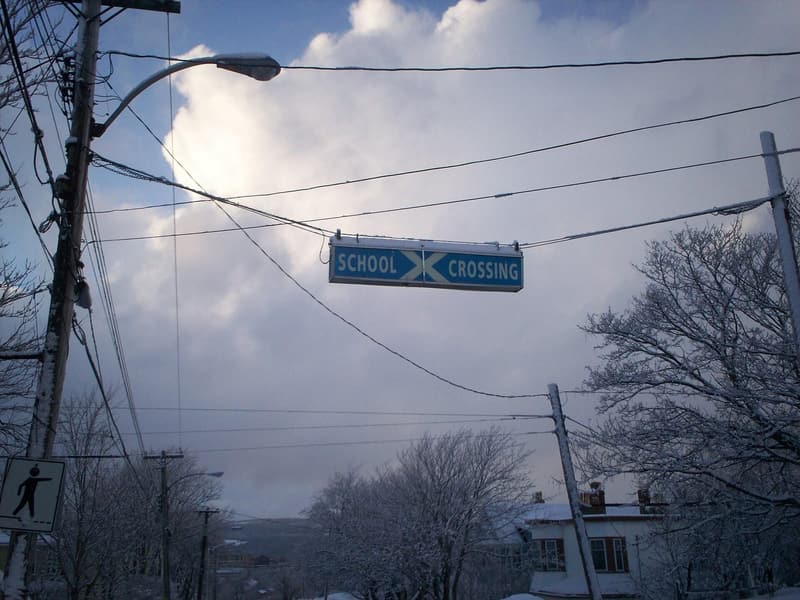
Representative photo · Photo: Kristine Breen / Wikimedia Commons, Public domain
Local authorities across the UK are facing a recruitment crisis for school crossing patrols, leading to concerns about the future of these familiar community figures.
The future of the iconic school crossing patrol, long a fixture of British education, is increasingly uncertain as local councils struggle to fill vacancies. While many parents may harbour fears for school safety when these familiar figures are absent, town halls are finding it difficult to maintain staffing levels amidst budget constraints and changing employment trends. The Recruitment and Employment Confederation has identified these roles as having some of the highest vacancy rates in the country, alongside sales and exam invigilation positions.
There is no statutory requirement for councils to provide school crossing patrols. Consequently, many authorities are exploring alternatives, such as installing permanent infrastructure like zebra crossings. In East Riding of Yorkshire, a quarter of patrol sites are currently unstaffed. Officials there noted that recruitment is hampered by the nature of the work, which involves limited hours, relatively low pay, and exposure to all weather conditions. Similar challenges have been reported in Redcar and Cleveland, where leaders acknowledge that maintaining a full roster is a complex task.
The decline in school crossing patrols is prompting councils to replace human staff with permanent road infrastructure.
Beyond the logistical issues of part-time hours, the profession faces added pressures. Some councils have begun issuing body cameras to staff due to reports of aggressive and dangerous driving. Despite these challenges, some crossing guards find the role deeply rewarding. Ally Mitchell, a patrol officer in Edinburgh, described the position as a vital point of human contact, noting that while road markings can manage traffic, they cannot replicate the personal connection of a familiar face greeting children and families.
However, the trend toward automation and cost-cutting continues. Some councils, such as Durham, have opted to scrap vacant positions entirely to save money, arguing that certain sites remained safe without an officer. Data from the GMB union indicates that the number of crossing patrol officers across England, Scotland, and Wales dropped significantly over the last decade, falling from over 7,000 to approximately 5,000.
Why it matters The potential disappearance of school crossing patrols represents a shift in how local communities manage road safety and social cohesion. For parents and children, the loss of these figures removes a trusted daily contact point. As councils increasingly turn to permanent infrastructure, the human element of school travel is being replaced by automated systems, reflecting broader societal changes where traditional community roles are being phased out in favour of cost-effective, permanent solutions.
Sources
More like this

Andy Burnham to Update MPs on EU Deal as Government Reviews Quango Future

Natural England Could Face Abolition Under Government Quango Cull

Who is behind the street protests in France?