Marwan Bishara: US election outcome challenges warmongers
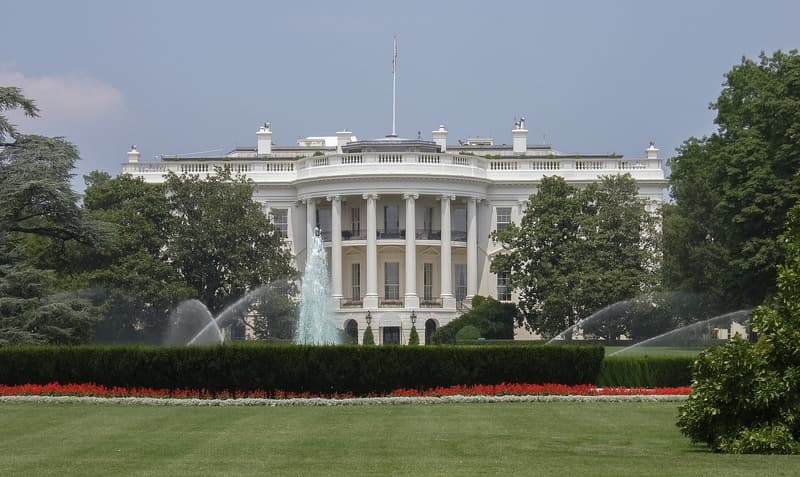
Representative photo · Photo: Diego Delso / Wikimedia Commons, CC BY-SA 3.0
Al Jazeera senior political analyst Marwan Bishara suggests the recent US election results signal a significant rejection of interventionist foreign policies.
The recent American electoral outcome has been identified by Al Jazeera senior political analyst Marwan Bishara as a notable setback for those advocating for military escalation. In his assessment of the political landscape, Bishara notes that the results reflect a broader public weariness regarding ongoing conflicts in the Middle East. While many observers analyze the election through various lenses, including those searching for insights on figures like Bishara, the analyst emphasizes that the vote serves as a clear indicator of voter sentiment against continued military involvement.
Understanding the Bishara analysis
According to the analysis provided by Marwan Bishara, the election results demonstrate that the American public is increasingly opposed to the status quo regarding foreign policy. He argues that the shift in political support is not merely a domestic preference but a direct response to the nation's international posture. Specifically, the analyst points to a growing dissatisfaction with the unconditional support provided by the United States to Israel, suggesting that this policy has become a focal point of public disapproval.
Furthermore, Bishara characterizes the election as a defeat for populist nationalists who have historically pushed for aggressive foreign agendas. By examining the electoral data, he suggests that the electorate is signaling a desire for a change in direction, moving away from policies that favor prolonged regional instability. This perspective highlights a disconnect between established political strategies and the evolving priorities of the American voting base, who appear to be prioritizing a reduction in overseas military commitments.
The US election results indicate public opposition to further Middle Eastern wars and unconditional support for Israel.
Why it matters
This shift in American political sentiment is significant as it suggests a potential recalibration of US foreign policy priorities. For international observers, including those in South Asia, these developments indicate that the United States may face internal pressure to pivot away from interventionist roles in global conflicts.
For audiences in India and the broader South Asian region, the potential for a change in US foreign policy could alter the dynamics of international diplomatic relations. As the United States reconsiders its stance on military support and regional engagement, nations worldwide will be monitoring how these domestic political pressures influence Washington's future actions on the global stage.
Sources
More like this

Abdul El-Sayed's Journey from Oxford to Michigan Senate

Victorian Liberals campaign bus crash marks end of a difficult week
US Midterms: Can Trump work with Democrats or will he rely on the veto?