Nigeria Sets New Crypto Licensing Rules and Bans Algorithmic Stablecoins
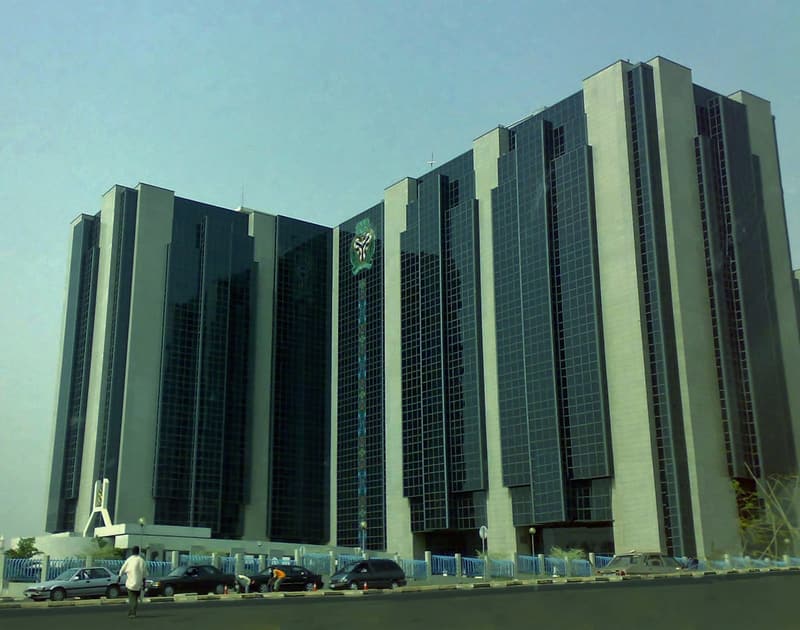
Representative photo · Photo: chippla at English Wikipedia / Wikimedia Commons, Public domain
The Central Bank of Nigeria has introduced strict licensing and reserve requirements for crypto firms, while banning algorithmic stablecoins to enhance financial oversight.
This is news, not investment advice. NexVani Media is not a SEBI-registered investment adviser and does not recommend buying or selling any security. Do your own research or consult a registered adviser before investing.
The Central Bank of Nigeria (CBN) has officially implemented new regulations for the operations of non-security virtual assets, marking a significant shift in how the nation manages its digital asset landscape. As Nigeria continues to navigate its position as a major player in the global crypto market, these rules establish comprehensive oversight for stablecoin issuers, cryptocurrency payment providers, exchanges, and custodial services.
Nigeria sets new crypto industry standards
Under the new framework, which took effect immediately, companies operating in the sector have a 180-day window to secure the necessary licenses or authorizations. The CBN stated that the primary objective of these measures is to foster responsible innovation while simultaneously safeguarding consumers and maintaining broader financial stability. This regulatory development follows an executive order issued by President Bola Tinubu in July, which aimed to streamline the coordination of crypto oversight across various government authorities.
Nigeria has banned algorithmic stablecoins and introduced reserve requirements for issuers to expand central bank oversight.
Specific requirements have been set for stablecoin issuers to ensure they maintain sufficient backing for their tokens. Issuers are now mandated to fully support their assets with reserves, including an additional buffer equal to at least 2% of the token's value. Furthermore, at least 40% of these reserves must consist of cash or highly liquid assets. The regulations also impose significant capital requirements: naira-backed stablecoin issuers must hold a minimum paid-up capital of 10 billion naira, approximately $7.4 million, while those backed by foreign currencies must hold 15 billion naira, or $11.1 million. Providers of payment-related services, such as exchanges and custodians, are required to maintain a minimum paid-up capital of 1 billion naira, or $742,000.
In a move to mitigate systemic risk, the CBN has explicitly prohibited stablecoins that rely on algorithms to maintain their value rather than eligible reserves. Tokens that fail to provide enforceable redemption rights are also banned under the new guidelines. These rules add to a series of restrictive measures the country has adopted over recent years, including previous limitations on banking access for exchanges and efforts to curb peer-to-peer trading. The regulatory environment remains complex, highlighted by the government's past scrutiny of major global exchanges and the recent introduction of tax collection rules for digital asset platforms in August 2026.
Why it matters
The new regulations represent a tightening of central bank control over digital payment services in one of Africa's largest crypto markets. By mandating reserve requirements and banning algorithmic models, the CBN seeks to prevent the rapid financial instability that can arise from unbacked digital assets.
These changes directly impact all crypto service providers operating within the country, forcing them to meet strict capital and transparency standards. For the broader industry, the move signals a transition toward a more formal, regulated environment, moving away from the more permissive conditions that previously characterized the local market.
Sources
More like this

Argentine Bitcoiners Debut Satoshi Nakamoto Monument in Buenos Aires

Cheap online services routed web traffic through White House network

Ethereum Devs Delay Glamsterdam Hoodi Fork Over Security Concerns