US Midterms: Can Trump work with Democrats or will he rely on the veto?
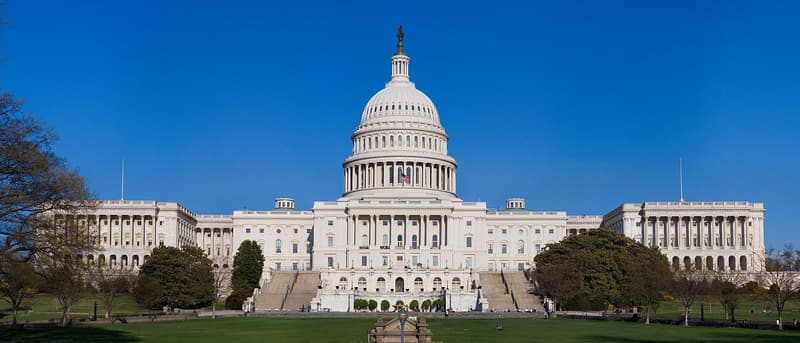
Representative photo · Photo: Noclip / Wikimedia Commons, Public domain
Following midterms losses, Donald Trump faces a Democratic-controlled Congress. Analysts say he can use vetoes, executive orders, or seek legislative deals.
Following the United States midterm election results, President Donald Trump faces a shifting political landscape after the Democratic Party secured comfortable majorities in both chambers of Congress. Democrats won at least 253 seats out of 435 in the House of Representatives and at least 54 out of 100 in the Senate, leaving the Republican Party without control of either legislative branch for the first time in Trump's two presidential stints.
Despite the setback, Trump indicated a willingness to engage with the opposition. Speaking in a telephone interview, the president noted that he holds the constitutional authority to reject legislation, but stated he prefers not to spend his term solely issuing rejections. Under Article 1, Section 7 of the US Constitution, the president can veto bills passed by Congress, and overriding that decision requires a two-thirds majority that Democrats do not currently hold in either chamber.
Political analysts note that the dynamic raises questions about whether a veto can be overridden by a sufficiently unified opposition, though current seat counts make that threshold out of reach. Andrew Proctor, a lecturer in US politics at University College London, anticipates a period of legislative gridlock. Proctor explained that while the president retains broad executive authority—having passed 292 executive orders since his inauguration in January 2025—his leverage with lawmakers has diminished.
At the same time, some progressive legislators have expressed openness to finding common ground on specific issues. Senator Bernie Sanders suggested that Trump might consider supporting policies like Medicare for All if passed by Congress, describing the president as pragmatic rather than strictly ideological. Meanwhile, Senator Abdul El-Sayed of Michigan stated he would welcome collaboration on healthcare expansion, reducing the influence of money in politics, and addressing international tariffs.
Why it matters
Trump currently holds three distinct avenues to influence policy: enacting executive orders, utilizing the presidential veto, or negotiating targeted deals with the opposition. While broader legislative compromises remain uncertain, analysts suggest that areas such as healthcare subsidy adjustments could offer a pathway for bipartisan cooperation in the coming years.
Sources
More like this

Victorian Liberals campaign bus crash marks end of a difficult week
Zambia civil servants face scrutiny amid restructuring plans

Black Voters Express Profound Anger Over Kemi Badenoch Remarks