
Democrats Weigh Stripping US-Israel Defense Integration from Pentagon Funding
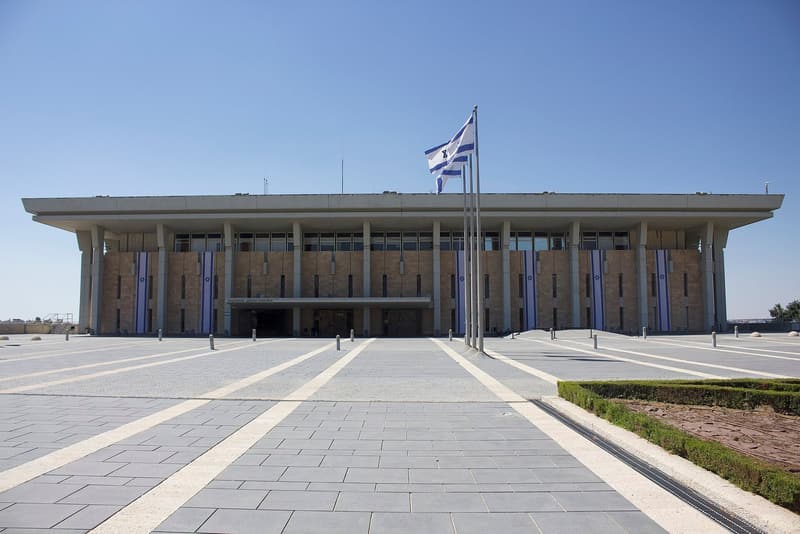
Representative photo · Photo: Noclip / Wikimedia Commons, Public domain
Following midterm gains, Democrats are evaluating whether to remove a controversial provision from the NDAA that would formalize US and Israeli military industrial integration.
Following a strong performance in the recent midterm elections, Democrats are uniquely positioned to challenge a contentious measure within the Fiscal Year 2027 National Defense Authorization Act (NDAA). As the party evaluates its legislative priorities, many are questioning the future of the Democrats US Israel defense cooperation initiative currently embedded in the bill. The $1.15 trillion funding package, which includes support for President Donald Trump’s military objectives, faces a critical deadline on December 11 when current stopgap funding expires.
Section 219 of the Senate’s version of the NDAA proposes the "United States-Israel Defense Technology Cooperation Initiative." This provision aims to accelerate bilateral research, development, and industrial coordination. Critics, including policy experts at the Center for International Policy, argue that the initiative is designed to move the aid relationship outside of standard congressional oversight, effectively insulating it from democratic scrutiny. There are also concerns that the measure would entrench Israeli-developed technology into American military programs, complicating future policy shifts.
Democrats hold the legislative leverage to block the NDAA until controversial US-Israel military integration provisions are removed.
Opposition to the bill is growing within the Democratic caucus. While party leadership, including Senate Minority Leader Chuck Schumer and House Minority Leader Hakeem Jeffries, has previously expressed concerns over the bill’s massive spending and its impact on domestic affordability, they have not publicly committed to stripping the Israel-specific provisions. However, a growing coalition of senators, including Bernie Sanders, Ron Wyden, and Tammy Duckworth, has formally rejected the inclusion of Section 219. Advocates like Cavan Kharrazian of Demand Progress suggest that Democrats must make their support for the broader NDAA contingent upon these specific changes.
The political environment surrounding military aid has become increasingly complex. Analysts note that with Democrats set to take control of both chambers of Congress in January, they possess significant leverage to filibuster or force amendments to the current funding package. The debate reflects a broader tension between traditional defense spending priorities and an evolving ideological stance within the party regarding military support for Israel, particularly in light of public opposition and the ongoing conflict in Gaza.
Why it matters
The potential removal of this provision represents a significant shift in how the United States manages its military-industrial relationships. By challenging the integration of defense production, lawmakers are signaling a move toward greater legislative oversight of foreign military aid.
This development affects the future of global defense technology sharing and sets a precedent for how Congress may handle similar bilateral agreements in the future. For observers, it highlights the growing friction between established defense policies and the shifting political priorities of the American electorate.
Sources
More like this

Reform UK Covers Nigel Farage Security Costs Despite £5m Gift

Indonesia Wiretapping Scandal Shakes Leadership
Can Netanyahu launch a strike on Iran before he leaves office?