NASA Voyager 1 Reaches One Light-Day Distance
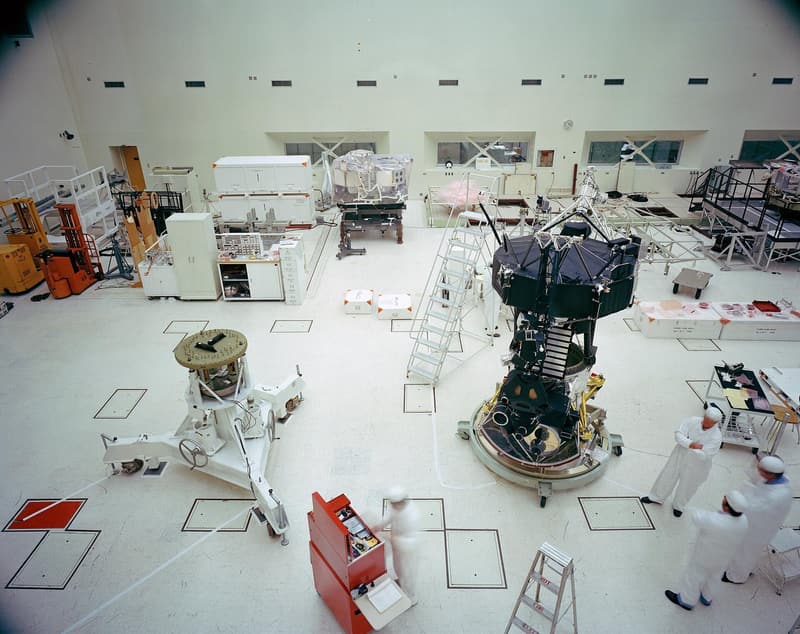
Representative photo · Photo: NASA/JPL / Wikimedia Commons, Public domain
Nearly 50 years after its launch, NASA’s Voyager 1 probe has achieved a historic milestone by reaching a distance of one light-day from Earth.
Nearly five decades after beginning its journey, the nasa voyager 1 probe has attained a remarkable milestone by traveling a distance of one light-day from Earth. Officials at NASA reported that the spacecraft reached this unprecedented threshold on Wednesday, positioning itself approximately 26 billion kilometers away from our planet.
A light-day is defined as the distance that light covers within a 24-hour period. Because of this immense gap, communications transmitted from ground controllers require an entire day to reach the probe, and an additional day for the signal reply to make its return journey back to Earth.
Understanding the Scale of Space
NASA scientist Tiffany Kataria noted that the accomplishment serves as the ultimate demonstration of the sheer scale of the universe. She explained to reporters that humanity often dreams of reaching distant stellar systems, yet it required nearly 50 years simply to arrive at the outermost boundary of our own solar system.
The spacecraft was originally deployed in 1977 alongside its sibling mission, Voyager 2. Together, the two probes remain the sole human-crafted objects to cross beyond the Sun’s heliosphere into interstellar space. Voyager 2 is anticipated to achieve the one light-day threshold by the year 2035.
Voyager 1 has reached a record distance of one light-day from Earth nearly 50 years after launch.
To conserve electrical power throughout its lengthy voyage, engineers have remotely disabled certain instruments on Voyager 1, including its onboard cameras. Nonetheless, the probe continues gathering scientific measurements regarding invisible cosmic phenomena, such as surrounding magnetic fields. Kataria pointed out that these observations assist researchers in examining interstellar dust, gas, and various materials found in the space between stars.
Earlier in their operational timelines, the twin spacecraft conducted close-up observations of major planets including Jupiter, Saturn, Uranus, and Neptune. Imagery captured by Voyager 1 during its Jupiter flyby initially uncovered the presence of planetary rings and provided crucial insights into intense atmospheric weather patterns.
Why it matters
Reaching a distance of one light-day demonstrates the incredible longevity and ongoing scientific utility of early space exploration hardware. Although the probe operates far beyond the solar system, the data it transmits continues to enhance our collective understanding of interstellar space and planetary formation.
Sources
More like this
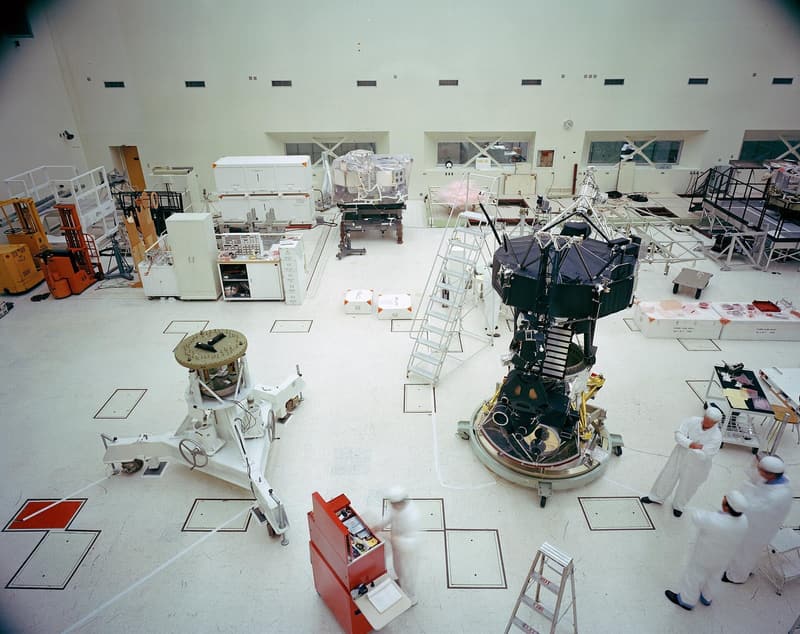
Voyager 1 reaches one light-day from Earth after 49 years in space

Coroner Rules Iron Age Body Found in Derry Bog Was Decapitated

Study Finds School Phone Bans Lead to Modest Academic Gains