Myanmar faces historic genocide verdict at UN court over Rohingya massacres
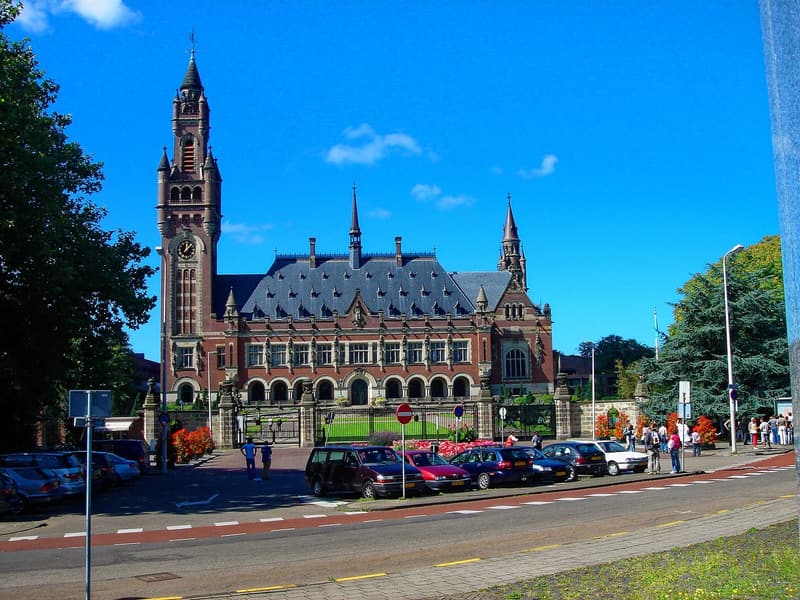
Representative photo · Photo: Txllxt TxllxT / Wikimedia Commons, CC BY-SA 4.0
The International Court of Justice is set to deliver a historic verdict in a case accusing Myanmar of committing genocide against the Rohingya population.
The International Court of Justice (ICJ) is preparing to issue a landmark ruling regarding the Myanmar Rohingya genocide case, a legal battle that has spanned seven years. Judges at the UN's top court will determine if the military actions taken against the Rohingya in 2017 constitute the crime of genocide, a decision that could set a major precedent in international law.
The Myanmar Rohingya genocide case background
The crisis began in August and September 2017, when a military operation in Rakhine State resulted in the mass expulsion of the Rohingya population. Hundreds of thousands fled to neighboring Bangladesh, reporting widespread killings, torture, and sexual violence. While Myanmar authorities have consistently denied these accusations, claiming they were conducting legitimate "clearance operations" against militants, a 2018 United Nations report described the army’s tactics as grossly disproportionate and called for investigations into top military leaders.
In 2019, The Gambia filed the case at the ICJ, supported by the Organisation of Islamic Co-operation. This move was unique because The Gambia was not directly affected by the events, but argued that all states have a collective duty to uphold the 1948 Genocide Convention. Although Myanmar initially challenged the court's jurisdiction, the ICJ ruled that the case could proceed. The proceedings gained global attention when former leader Aung San Suu Kyi personally appeared at The Hague to defend the state, a move that drew significant international criticism before she was later deposed in a 2021 coup.
Proving genocide requires meeting a high legal threshold. The court must be convinced that the evidence leads to the only reasonable inference that the defendants possessed genocidal intent. Myanmar’s legal representatives have argued that while war crimes may have occurred, they do not equate to a systematic intent to destroy the group, comparing the situation to previous cases like the one involving Serbia, where the court found a failure to prevent genocide but insufficient evidence of direct state intent.
No state has ever been found guilty of genocide by an international court in history.
Why it matters
This verdict carries profound weight for international legal accountability. If the court finds Myanmar guilty, it would be the first time a sovereign state has been held responsible for genocide, providing renewed vitality to the 1948 Genocide Convention.
For the victims and the international community, this ruling represents a critical pursuit of justice where few other avenues have been available. The outcome will influence how international law addresses state-sponsored atrocities and could shape future efforts to hold governments accountable for human rights violations in South Asia and beyond.
Sources
More like this
US Imposes Fresh Sanctions Targeting Iran-Backed Networks

Florida Pastor Found Guilty in 2021 Assassination of Haitian President
Iraq Sentences Six French Nationals to Life in Prison for Joining ISIL