World
NATO to Meet Following Escalations in the Russia-Ukraine War
Representative photo · Photo: Thomas Quine / Wikimedia Commons, CC BY 2.0
NATO representatives are set to convene on Monday to address recent security concerns, including missile strikes in Poland and broader regional escalations.
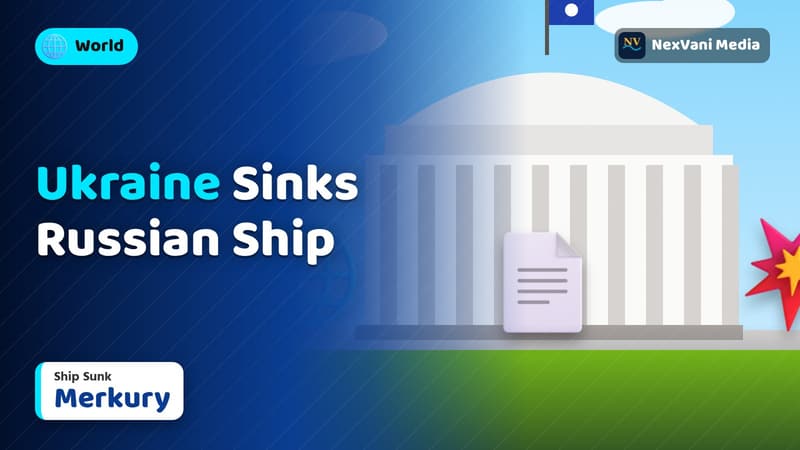
The ongoing NATO Russia Ukraine war has once again encroached upon European territory, prompting an urgent meeting of the alliance. Following a series of volatile events over the weekend, including reported attacks on Russian naval vessels and allegations of a Russian-linked assassination plot in Denmark, the international community remains on high alert.
NATO officials are scheduled to meet on Monday to discuss the security implications of recent escalations. This gathering follows the significant missile strikes that occurred in Poland last week. The alliance is tasked with evaluating the impact of these developments on regional stability, as the conflict continues to manifest in ways that directly affect European nations outside of the immediate war zone.
The Russia-Ukraine war is increasingly impacting European territory through recent attacks and security threats.
These incidents highlight the fragile nature of security in the region. The combination of maritime aggression, alleged clandestine operations in Denmark, and the spillover of missile activity into Polish territory has intensified the focus on collective defense strategies. Member states are expected to review intelligence and determine appropriate diplomatic or security responses to these mounting provocations.
The situation marks a notable shift as the conflict moves beyond the borders of the warring nations, directly involving NATO member states through security threats and physical incursions. This escalation forces a re-evaluation of European safety protocols and collective defense commitments.
For readers in India and South Asia, these developments underscore the global reach of the conflict. Increased instability in Europe can have far-reaching consequences for international security, supply chains, and diplomatic relations, necessitating close monitoring of how the alliance chooses to respond to these border-crossing tensions.