Natural England Could Face Abolition Under Government Quango Cull
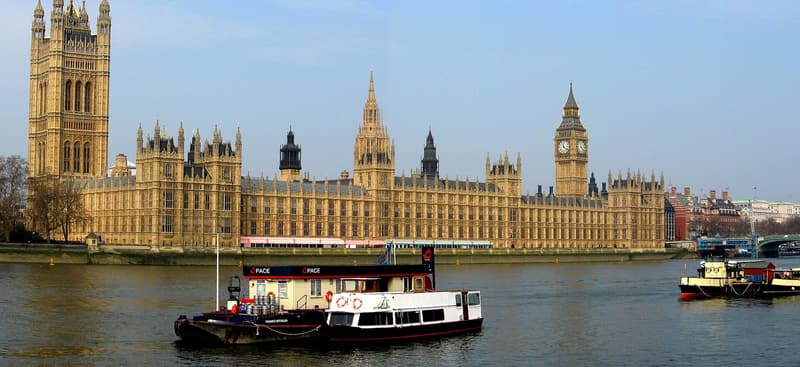
Representative photo · Photo: reverendlukewarm / Wikimedia Commons, CC BY-SA 2.0
First Secretary of State Louise Haigh has suggested that the government is reviewing the future of arms-length bodies to improve decision-making efficiency.
The future of Natural England remains uncertain as the government considers a significant restructuring of arms-length organisations. First Secretary of State Louise Haigh has indicated that the nature watchdog could be abolished as part of a broader push to reform the landscape of government administration. This initiative aims to address concerns that the current proliferation of quangos has hindered ministerial decision-making and accountability.
Reviewing Natural England and Government Bodies
Haigh, who serves as the de facto deputy prime minister, explained that successive governments have frequently offloaded responsibilities to independent bodies, only to find themselves unable to influence outcomes effectively. She stated that the administration is currently evaluating all arms-length bodies with the potential to either devolve their responsibilities to local authorities, absorb them directly into government departments, or dissolve them entirely. The goal is to ensure that elected officials can take direct responsibility for the actions of the government.
The government is reviewing arms-length bodies to streamline decision-making and enhance ministerial accountability.
While the potential dissolution of the agency could be justified as a means to accelerate planning decisions and stimulate housebuilding, such a move is expected to draw significant opposition from environmental groups. The debate over these organisations is not new; the Conservative Party previously proposed the abolition of both Natural England and the Environment Agency, arguing that such measures would facilitate the construction of new homes.
Haigh’s comments were made ahead of a speech at the CBI conference, where she planned to emphasize the importance of pragmatism over rigid political ideology. She argued that the current reliance on private companies for essential services makes the country an outlier on the global stage. Her position is that bringing certain functions back under public control is not an anti-business stance, but rather a way to establish a stable foundation for private enterprise to operate effectively.
Why it matters
The potential abolition or restructuring of major regulatory bodies like Natural England represents a significant shift in how the government manages environmental and planning oversight. By bringing these functions back into ministerial departments, the government seeks to remove layers of bureaucracy that it believes currently obstruct growth and infrastructure development.
This move primarily affects the domestic regulatory environment and the speed of national planning processes. For stakeholders, it signals a move toward more centralized control, potentially streamlining housebuilding projects while simultaneously altering the established framework for environmental protection and regulatory compliance.
Sources
More like this

Who is behind the street protests in France?
Australia Defense Bill Criticized by Constitutional Law Experts

Grieving families face debt as benefit freezes shrink funeral support