Using law to silence abuse victims is ultimate gaslighting, MPs told
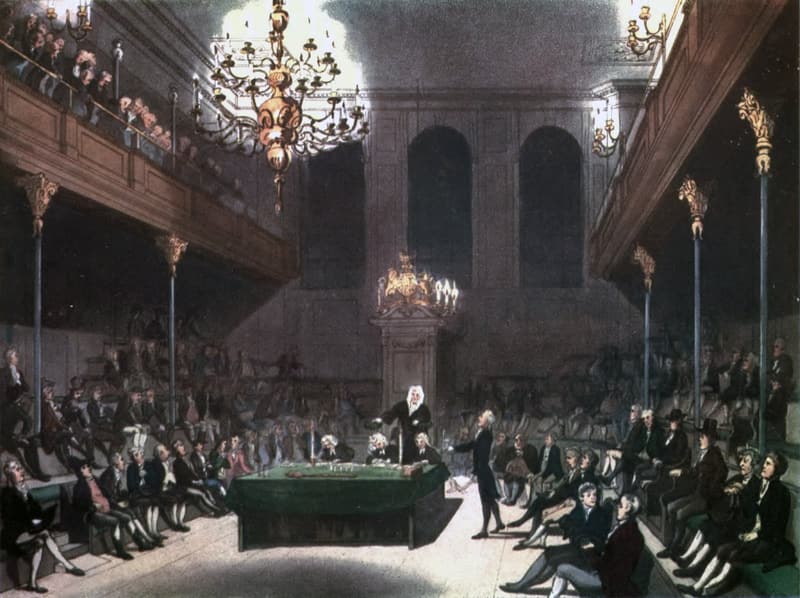
Representative photo · Photo: Thomas Rowlandson (1756–1827) and August / Wikimedia Commons, Public domain
Survivors and legal experts have told a parliamentary committee that strategic lawsuits are being used to silence victims of sexual abuse and stifle public reporting.
Lawmakers in the United Kingdom have been told that attempts by perpetrators of sexual abuse to silence victims through the legal system represent the ultimate form of psychological manipulation. The House of Commons justice committee heard testimony regarding the ordeal faced by individuals who speak out against their abusers, only to find themselves facing legal action.
Verity Nevitt, co-founder of the survivor-led nonprofit Gemini Project, spoke to MPs about her experience of being sued by the man she and her sister accused of sexual abuse and rape. Nevitt described how legal threats replicate the loss of control experienced during assault. She noted that these actions allow perpetrators to present themselves as victims of wrongdoing while casting survivors as aggressors.
The committee session took place following recent high-profile legal cases and allegations involving public figures. Experts explained that wealthy and powerful individuals frequently deploy non-disclosure agreements, injunctions, and strategic lawsuits against public participation, commonly known as Slapps. These legal mechanisms are frequently used to intimidate and harass opponents who speak out on matters of public interest.
Nevitt explained that in the case brought against her and her sister, the truth held no weight, and the process was driven by financial pressure. She recounted how legal representatives informed them of substantial costs required just to reach the next hearing stage. Barrister Jennifer Robinson and other legal professionals confirmed that defendants face crippling financial burdens when fighting such claims.
Legal actions against abuse survivors create a chilling effect that prevents victims and journalists from speaking out.
Legal experts highlighted a broader societal impact resulting from these legal maneuvers. Robinson pointed out that the current UK framework provides protection for public interest speech regarding economic crimes, yet fails to extend the same safeguards to crimes against women. Harriet Wistrich of the Centre for Women's Justice argued for severe cost capping in such litigation.
Furthermore, solicitor Rupert Cowper-Coles noted that the UK remains an outlier among western democracies due to the absence of comprehensive anti-Slapp legislation. Witnesses emphasized that the resulting chilling effect not only silences individual survivors but also discourages journalists and news organizations from reporting important public interest stories.
Why it matters
The testimony highlights significant legislative gaps regarding how the British legal system handles defamation and intimidation claims related to sexual violence. The absence of robust anti-Slapp laws outside of economic crimes leaves vulnerable individuals and media outlets exposed to financially punishing litigation when discussing gender-based violence.
Sources
More like this

Alan Milburn Report Sets Out Ambitious Overhaul for Youth Employment
Joe Biden Criticizes Volodymyr Zelenskyy in New Memoir
Andy Burnham Delays Re-evaluation of UK and EU Relationship