Neither War Nor Peace: Assessing the Status of Ethiopia's Conflict in Tigray
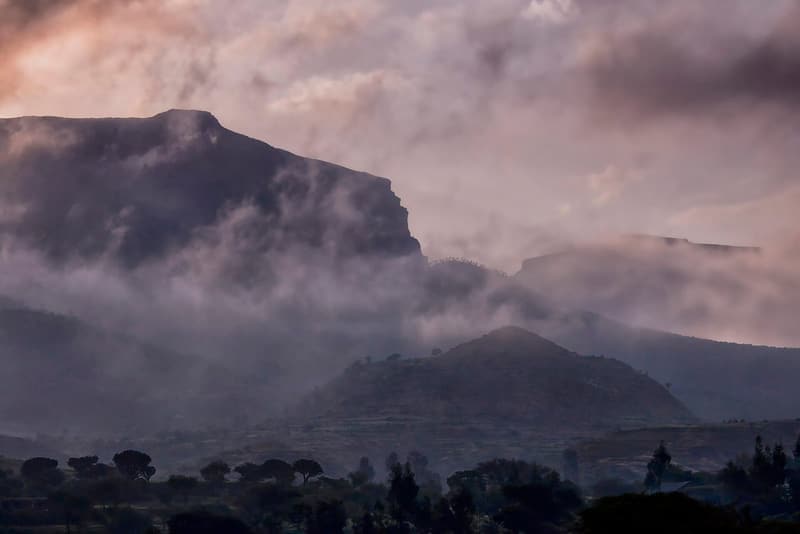
Representative photo · Photo: Rod Waddington from Kergunyah, Australia / Wikimedia Commons, CC BY-SA 2.0
While federal forces have occupied major towns in Tigray, the TPLF claims a tactical retreat as fighting persists across the region.
Life in Mekelle, the capital of Ethiopia's northern Tigray region, remains deeply unsettled following a recent flare-up of hostilities. For local residents, the return of federal forces to the city has not brought stability. Many, like local business owner Firut Me'ar, struggle to prioritize basic needs as the local economy remains stagnant. While the immediate intensity of the conflict has shifted, the situation is best described as neither war nor peace, leaving the population in a state of profound uncertainty about the future.
The Resumption of Hostilities
Late September saw the resumption of a civil war that had officially concluded in 2022, pitting the Tigray People's Liberation Front (TPLF) against the national army. Within two weeks, federal forces moved into Mekelle. The TPLF characterized this movement as a strategic withdrawal to avoid fighting on unfavorable terms. Government officials, meanwhile, assert that the conflict is effectively over, with the primary task now being the stabilization of the region. Getachew Reda, a former TPLF official now advising the prime minister, has publicly declared the war finished.
The Ethiopian army controls major Tigrayan towns, but ongoing skirmishes suggest the conflict is far from resolved.
Differing Perspectives on Military Capability
Analysts offer varying explanations for the TPLF's rapid loss of urban territory. Consultant Cameroon Hudson notes that the group has suffered from internal fragmentation, loss of leadership, and a lack of advanced military technology. Conversely, TPLF spokesperson Mikael Asgedom denies defeat, insisting the group is preparing for a counteroffensive and has already launched operations in various locations.
Reports from the ground, though difficult to verify, indicate that heavy artillery and drone strikes continue in central and northern areas. Residents near the border town of Sheraro describe a persistent lack of security, with military convoys and checkpoints remaining active. Scholars like Abraha Hailezgi suggest that the federal army's history of coercive tactics has further alienated the local population, complicating efforts to achieve lasting peace. As Ethiopian and Eritrean troops maintain a visible presence, the trauma of the previous two-year war continues to influence the atmosphere in Tigray. With analysts like Yared Tibebu warning of a potentially prolonged conflict, the path to stability remains unclear.
Sources
More like this

Former Hamas Bodyguard Convicted of Birmingham Knife Crime Wanted in Germany
Putin Renews Demands for European Security Overhaul in Ukraine Peace Talks

Sixth victim confirmed in Washington, DC condo-related shooting