Nepal Floods: Climate Summit Plea Reveals Loss and Damage Limits
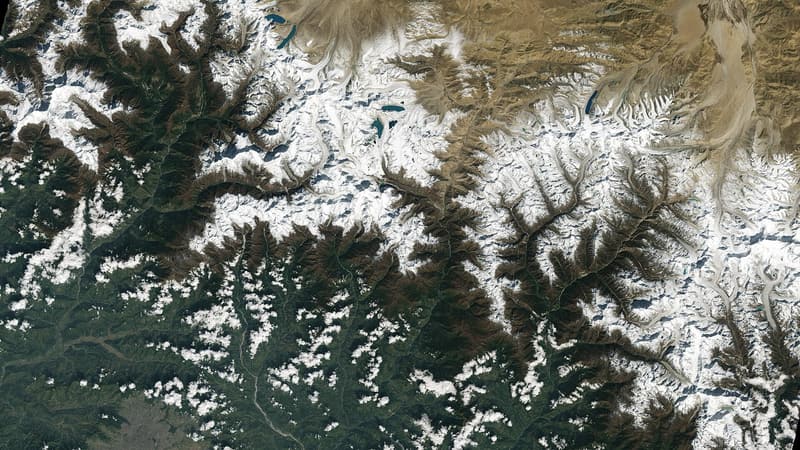
Representative photo · Photo: NASA / Wikimedia Commons, Public domain
Nepal’s appeal at the UN climate summit in Türkiye highlights the massive funding gap in international disaster relief and loss and damage finance.
Nepal’s Foreign Minister Shisir Khanal brought the human cost of a climate disaster into the opening session of the UN climate summit in Türkiye, stating to delegates in Antalya that he arrived from a nation still in grief. On August 26, a glacial collapse in the Himalayas unleashed a torrent of water, mud and debris through the Bhote Koshi valley. More than 1,400 people were killed and over 5,000 remained missing, while settlements were devastated and infrastructure was badly damaged. Rebuilding would cost about one-tenth of Nepal’s entire economy.
Nepal estimates that it needs $4.78 billion for recovery and reconstruction. However, the international loss and damage fund has provisionally set aside just $21.6 million to enable the country to seek urgent support, which is less than half of one per cent of the estimated bill. This stark contrast illustrates the growing frequency of Nepal floods and other regional crises that routinely overwhelm public finances and expose the limitations of current global financial mechanisms.
Global climate funds fall vastly short of covering the devastating costs of disasters in developing nations.
While cutting greenhouse gas emissions limits future warming and adaptation helps communities prepare, some severe damage cannot be prevented. The scale of the challenge is also visible elsewhere in South Asia, including Pakistan and the India-Bangladesh border region. Despite these immense needs, the newly established loss and damage fund faces severe shortfalls. The first funding round received requests totaling $2.8 billion against an available allocation of $342 million, while many financial pledges remain unfulfilled or uncollected as grants.
Why it matters
The funding gap directly impacts vulnerable communities across South Asia that face catastrophic climate disasters with inadequate international support. As voluntary contributions leave nations uncertain about available resources, the credibility of global climate commitments hangs in the balance.
Sources
More like this
Kenya milk shortage deepens as drought hits production and drives up prices
Severe Floodwaters Submerge Streets and Parking Lots in Davie, Florida
Torrential Rain Causes Widespread Flooding Across South Florida