New Zealand Election Too Close to Call as Main Parties Neck-and-Neck
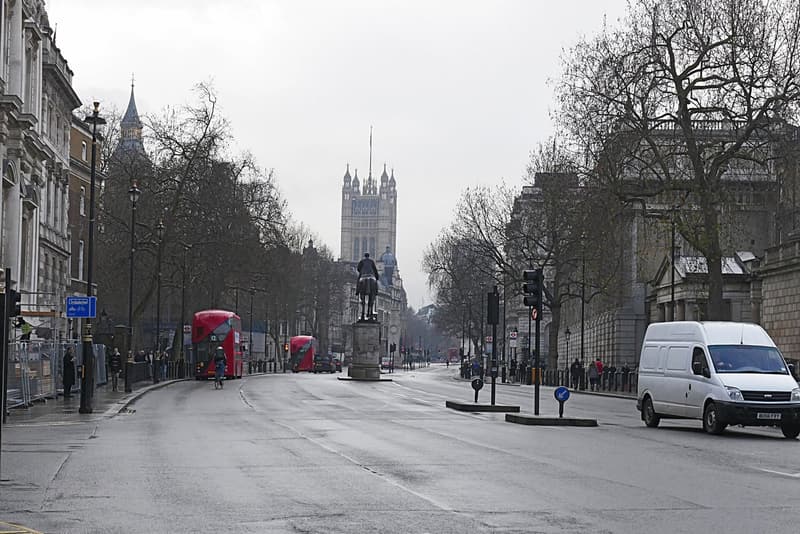
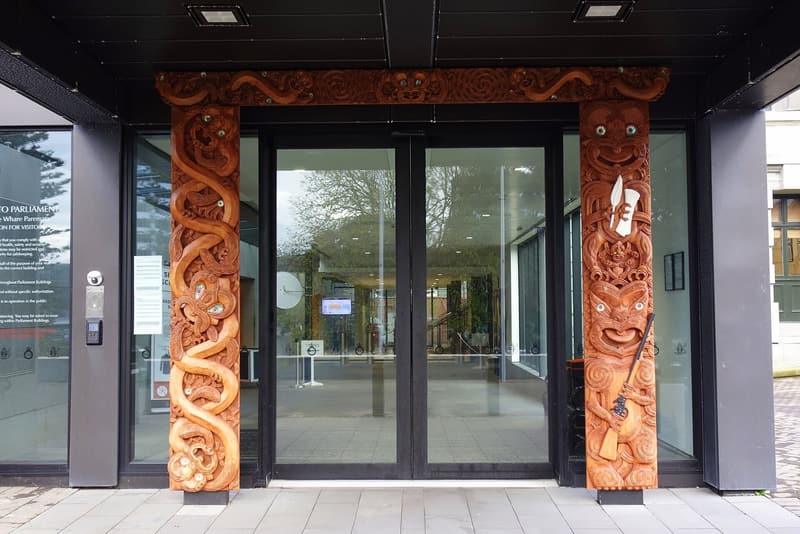
Representative photo · Photo: Daderot / Wikimedia Commons, CC0
Initial counts in New Zealand elections show the two main parties nearly tied, with fewer than 4,000 votes separating them as economic issues dominate.
Voters across the country watched closely as new zealand election results began rolling in on Saturday, revealing a deadlocked race between the ruling center-right National Party and the opposition Labour Party. With more than 95 percent of the ballots tallied, both major groups hovered near thirty percent of the vote. The incumbent National Party maintained a very narrow advantage of approximately 3,500 more votes than Labour late Saturday night.
Economic Pressures and Voter Turnout
The general election took place against a challenging backdrop characterized by high prices for basic everyday goods and the highest unemployment levels seen in over a decade. Voting occurred under stringent legal rules that prohibit any media reporting or political campaigning on the final day. Despite these restrictions, nearly 1.7 million out of 3.8 million eligible citizens had already cast their ballots before Thursday through advanced voting options facilitated by the electoral commission.
The two major parties are locked in a virtual tie with final outcomes dependent on upcoming special vote counts.
National Party leader and incumbent Prime Minister Christopher Luxon stated that his group remains the largest faction in parliament and possesses a clear path toward forming the administration. Preliminary tabulations indicate that the National Party, alongside its coalition partners the pro-business ACT and the populist New Zealand First, could secure a total of 67 seats. This outcome would establish a remarkably thin majority in the national legislature.
Legislative Expansion and Special Votes
Under the mixed-member proportional system, citizens cast two distinct votes for a local candidate and a political party. Because of an overhang phenomenon triggered by electorate winners, preliminary numbers suggest the upcoming parliament will expand to 130 seats, making it the largest in the nation's history. Meanwhile, Labour leader Chris Hipkins emphasized that politicians will need to discover common ground because neither major party is positioned to govern independently.
The final composition of parliament remains uncertain because special votes, including ballots cast by overseas residents, will require the next three weeks to process. Historically, these specific ballots tend to favor left-leaning groups and have successfully altered preliminary outcomes during the past three electoral cycles. Should the right-wing bloc lose its fragile majority, the centrist Opportunity Party—projected to clear the five percent threshold with seven seats—might emerge as a potential kingmaker, although Luxon has previously dismissed cooperation with them.
Why it matters
The unresolved general election directly influences the economic direction and leadership of New Zealand amid mounting cost-of-living pressures and high unemployment. With a wafer-thin majority at stake and thousands of special votes still awaiting verification, the final outcome will shape future policy decisions and coalition negotiations in the coming weeks.
Sources
More like this
Ousted Prime Minister Sheikh Hasina Seeks Passport for Return
Why we disrupted Annalena Baerbock’s award speech at Uppsala University
Environment Minister Urges Labor Colleagues to Stop Undermining Jim Chalmers