Can New Zealand's new government win over disillusioned voters?
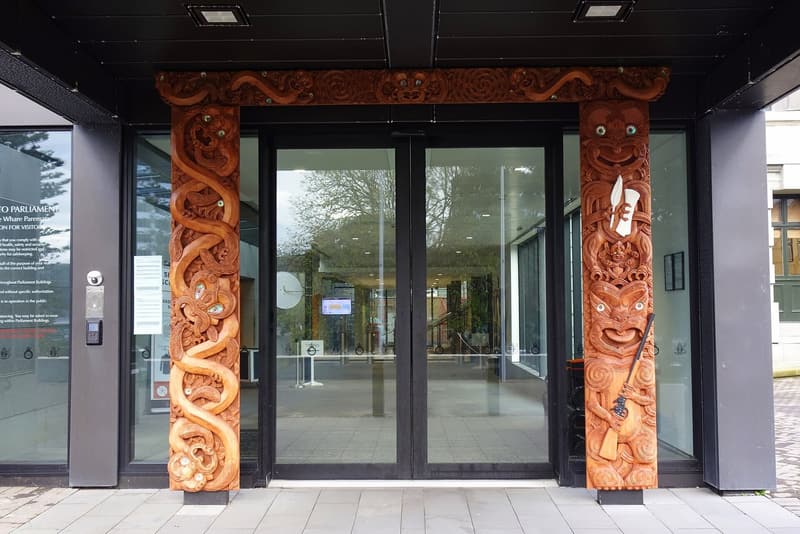
Representative photo · Photo: Daderot / Wikimedia Commons, CC0
New Zealand faces a period of political uncertainty as a disillusioned public grapples with economic hardship, high living costs, and a lack of faith in traditional parties.
As a thick fog blanketed Wellington on election day, the atmosphere mirrored the national mood: a sense of apathy and unease. Many citizens are questioning if they can New Zealand citizens work in Australia or elsewhere, as a record number of people look to leave the country in search of better opportunities. Recent studies indicate that more than half of the population no longer views the nation as a land of opportunity, with a similar portion expressing deep pessimism about the future.
A Shifting Political Landscape
The recent election saw voters desert the two major political parties in record numbers, leaving neither with a clear mandate. Instead, smaller parties across the ideological spectrum saw significant gains. The Opportunity Party, which had never previously held a seat, secured seven, potentially positioning itself as a kingmaker. Party leader Quilae Wong noted that the results signify a desire for a permanent change in the country's political direction, driven by widespread frustration regarding the slow pace of reform.
New Zealand faces a crisis of confidence as voters abandon traditional parties amid economic and social decline.
For decades, the country was celebrated for its high quality of life, offering a blend of career satisfaction, accessible healthcare, and strong community ties. Professor Robert MacCulloch, an expert in happiness economics, noted that while New Zealanders were not the highest earners, the lifestyle was historically stable. However, many residents report that this stability began to erode significantly during the Covid-19 pandemic.
Economic Challenges and Youth Disillusionment
The economic reality for many is now stark. Unemployment has reached an 11-year high, hitting young people particularly hard. For those under 24, job scarcity is at a three-decade peak, with one in three individuals struggling to find adequate work. Young job seekers, such as 20-year-old Michael Dawson, report applying for dozens of roles without success, leading to a growing sense of cynicism. Support services like Youth Inspire are seeing unprecedented demand, with staff noting that young people are increasingly questioning the value of traditional pathways.
Compounding these issues are rising electricity costs, high inflation, and a housing market that remains among the least affordable globally. With the governing coalition yet to be finalized, the incoming administration faces the immense task of addressing these systemic economic pressures and restoring public trust.
Why it matters
The current situation represents a critical crossroads for New Zealand, as the breakdown of community pride and economic stability impacts the nation's social fabric. The outcome of coalition negotiations will determine the country's policy direction for the coming years, directly affecting the future of its workforce and the cost of living for all residents.
Sources
More like this
Mélenchon Promises Action Against Israeli Annexation If Elected President

Abdul El-Sayed Criticises Trade Tensions With Canada

Police in Tirana Use Water Cannons Against Masking Albania Protesters