NSUI Stages Protest March Over Delhi’s Hazardous AQI, Seeks Government Action
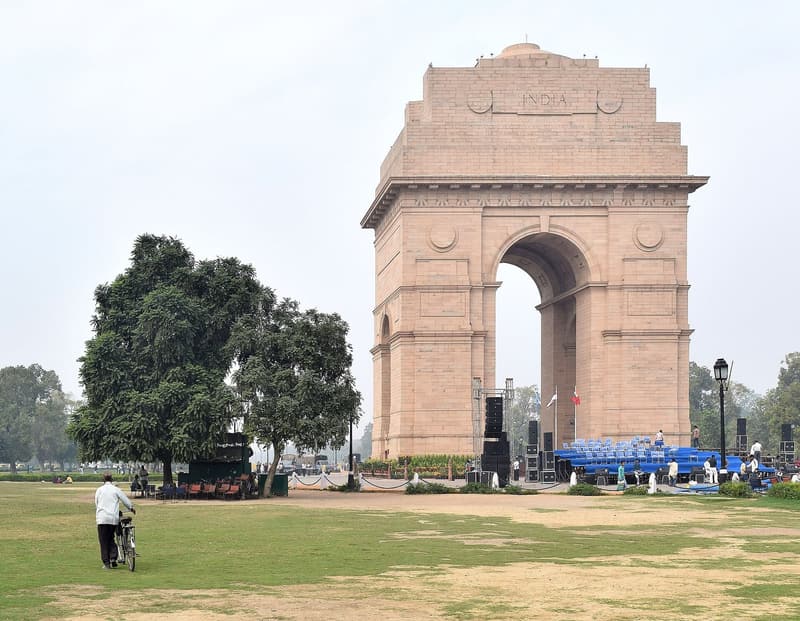
Representative photo · Photo: Nikhilb239 / Wikimedia Commons, CC BY-SA 4.0
Members of the National Students' Union of India marched in Delhi to demand urgent government intervention as the city's air quality reaches hazardous levels.
On Thursday, November 12, the National Students' Union of India (NSUI) organized a demonstration in the National Capital Region to voice growing concerns over the city's deteriorating air quality. Led by NSUI president Vinod Jakhar, students and activists gathered at the organization's headquarters on Raisina Road to march against the plummeting Air Quality Index (AQI) levels. The protesters, many of whom wore oxygen masks, carried placards demanding cleaner air for a healthier city.
Concerns surrounding the NSUI protest
The protest highlighted the severe health risks posed by the toxic air currently blanketing the capital. Addressing the participants, Jakhar criticized the lack of concrete solutions from government agencies, arguing that official statements are insufficient to address the ongoing crisis. He emphasized that the current conditions endanger the lives of all citizens, with children and adults facing particular vulnerability. The student wing of the Indian National Congress maintained that access to clean air is a fundamental right, calling for immediate, time-bound measures and accountability from authorities.
The NSUI staged a protest march in Delhi demanding urgent government action to combat hazardous air quality levels.
As of November 13 at 8:31 AM, Delhi's AQI was recorded at 525, placing the region in the "hazardous" category. According to data from aqi.in, New Delhi currently ranks as the 16th most polluted city globally. While the region experienced a temporary improvement in air quality following Diwali celebrations, the situation has remained critical for several days.
Health experts have warned that prolonged exposure to such high pollution levels can lead to significant respiratory issues, including throat irritation, coughing, chest discomfort, and reduced lung function. Vulnerable individuals, particularly those with asthma, are at a higher risk of complications. Medical professionals are currently advising residents to minimize outdoor activities, utilize air purifiers, and wear N95 masks when venturing outside is unavoidable.
Why it matters
The ongoing air quality crisis in Delhi-NCR significantly impacts the daily lives and long-term health of millions of residents. The protest underscores the growing public demand for systemic policy changes to address environmental hazards that threaten public well-being across the region.
By highlighting these concerns, the NSUI is pushing for greater government accountability to ensure that clean air is treated as a fundamental necessity rather than a luxury. This event reflects the broader struggle of citizens in South Asia facing extreme pollution levels.
Sources
More like this

Children Exposure Study Links Home Wood Burning to High Pollution
Earthquake: What Happened and Why It Matters
How Scotland made the world rethink monitoring of sewage spills