Delhi's Weather and Toxic Air Spark Concerns as Winter Pollution Returns
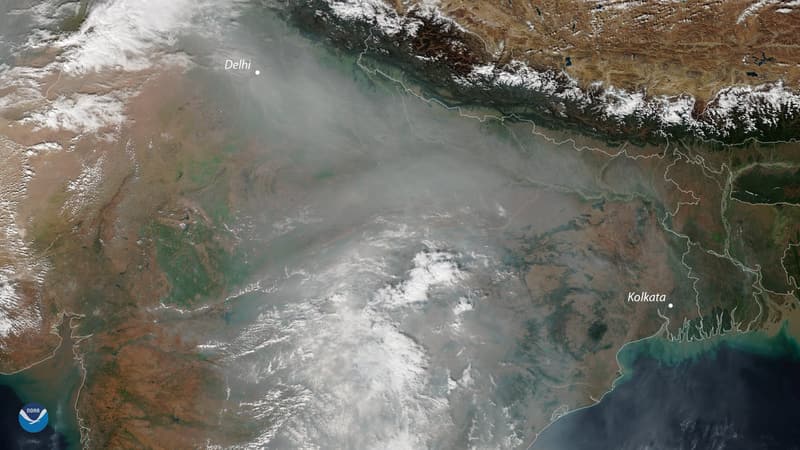
Representative photo · Photo: NOAA / Wikimedia Commons, Public domain
Residents in Delhi are preparing for toxic winter air as a grey haze blankets the city, while experts warn that government action plans require better execution.
Residents in India's capital are once again preparing for months of breathing polluted air as falling temperatures and slower winds trap emissions close to the ground. In many households, air purifiers have become a necessity as Delhi's weather turns cold and smog begins to form. Smoke from crop residue burning in neighbouring states, construction dust, vehicular traffic, and festival firecrackers all contribute to the declining air quality. As people experience irritation in their eyes, coughing, and difficulty breathing, the city is slipping back into a depressingly familiar pattern.
This year, the Delhi government introduced its winter action plan ahead of schedule, running from November 1 to February 28. The measures include restricting older polluting vehicles, banning certain dust-generating construction work, and discouraging private vehicle usage by doubling parking charges and encouraging work-from-home options. Additionally, the federal Commission for Air Quality Management has activated the second stage of its Graded Response Action Plan, which restricts diesel generators and the burning of coal and firewood.
Effective enforcement remains the biggest hurdle in tackling Delhi's recurring winter pollution crisis.
While experts acknowledge that these steps provide a useful roadmap, they emphasize that execution is key. Parthaa Bosu from the Environmental Defense Fund notes that planning has improved, but execution remains at the same level. Analysts like Manoj Kumar suggest setting emissions targets across all sectors over a five-year period rather than focusing solely on traffic and construction. Experts also highlight that secondary pollutants and regional emissions from outside the city limits continue to worsen the crisis, requiring multi-state coordination.
Why it matters The government's winter action plan serves as a major test of campaign pledges made by the governing Bharatiya Janata Party to tackle pollution. The success of these enforcement measures directly affects the health and daily lives of millions of residents living in Delhi and the wider northern region of India.
Delhi's Weather and Toxic Air
Sources
More like this

Why wealthy countries are failing to fund climate adaptation for developing nations

Heavy rain triggers severe flash flooding along the Georgia-Tennessee border
Lawsuit Filed to Block Sinking of Historic Ocean Liner SS United States